The banknotes in pictures
The Sultanate's Legacy and the Colonial Transition (1368-1959)
The Historical Grandeur of the Sultanate of Brunei
Brunei's monetary history begins with the sultanate's historical peak in the 15th and 16th centuries. At that time, the Bruneian empire extended across northern Borneo, the southern Philippines and part of the Malay Peninsula. This maritime power controlled the strategic trade routes between China and India, generating considerable wealth that financed a sophisticated monetary system.
The Bruneian "pitis", a locally minted bronze currency, circulated widely throughout the Malay Archipelago. These coins, adorned with Arabic calligraphy and Islamic symbols, reflected the sultanate's distinctive religious identity in a predominantly animist region. This Islamic monetary tradition had a lasting influence on Brunei's approach to finance and currency.
Trade with Ming China also brought Chinese currencies into use, mainly bronze cash coins and silver taels. This monetary diversity, characteristic of the port economies of the period, required sophisticated expertise in exchange and precious metal valuation. Bruneian merchants developed a reputation for integrity that facilitated their international trade.
The sultanate's gradual geopolitical decline from the 17th century, in the face of European competition and internal rebellions, also weakened its monetary system. Trade revenues dwindled, territories gradually broke away and regional monetary influence faded. Paradoxically, this difficult period prepared the ground for future cooperation with European powers.
The British Protectorate and Monetary Modernisation (1888-1959)
The establishment of the British protectorate in 1888 gradually revolutionised Brunei's monetary system. Sir Hugh Clifford, the first British resident, carefully introduced modern monetary standards while respecting local traditions. This diplomatic approach avoided the tensions that often accompany colonial transitions.
The introduction of the Straits Settlements dollar (1906) marked the first significant monetary modernisation. This British colonial currency, already used in Singapore and Malaya, facilitated regional trade while maintaining the Sultan's symbolic sovereignty. This pragmatic coexistence foreshadowed future cooperative monetary arrangements.
The discovery of oil in 1929 radically transformed Brunei's economy and monetary needs. Oil revenues, managed jointly by the British administration and the sultanate, required sophisticated financial instruments. This technical collaboration strengthened local expertise in monetary management and prepared the way for future financial independence.
The Japanese occupation (1941-1945) temporarily disrupted these developments, but British liberation quickly restored monetary stability. This period revealed Brunei's strategic importance and consolidated relations with London, facilitating the subsequent transition to monetary independence within a framework of regional cooperation.
1888 : Establishment of the British protectorate
1906 : Introduction of the Straits Settlements dollar
1929 : Discovery of oil and economic transformation
1950 : Written constitution and institutional modernisation
1959 : New constitution and internal autonomy
The Birth of the Brunei Dollar (1959-1967)
Constitutional Autonomy and Its Monetary Implications
The 1959 constitution marked Brunei's entry into political modernity while preserving the sultanate's traditional character. This institutional innovation, skilfully negotiated between Sultan Omar Ali Saifuddien III and the British authorities, established a unique model of modern constitutional monarchy respectful of local Islamic traditions.
This constitutional autonomy gradually brought aspirations for a currency of its own. Rising oil revenues, economic modernisation and the emergence of a distinct national identity created favourable conditions for establishing a national currency. However, the small domestic market required cooperative arrangements to ensure economic viability.
Negotiations with Singapore, then also seeking monetary independence, revealed a remarkable convergence of interests. The two territories, similar in size and geographically close, shared comparable economic challenges requiring innovative solutions. This natural affinity facilitated subsequent monetary agreements.
The Brunei revolt (1962), although swiftly suppressed, revealed internal tensions and the importance of maintaining popular legitimacy. The Sultan understood that economic prosperity and monetary stability were essential pillars of that legitimacy, encouraging a particularly cautious and consensual approach to economic policy.
Technical Preparation for the National Currency
The period 1963-1967 saw the development of the technical expertise needed to manage a national currency. Brunei's administrators, educated at leading British universities, developed remarkable proficiency in monetary economics and international finance. This meticulous preparation ensured the quality of future monetary management.
Feasibility studies, conducted jointly with Singaporean experts, explored various monetary options: a common currency, cooperation agreements or complete independence. Cost-benefit analysis revealed the advantages of a hybrid system that preserved autonomy while sharing certain costs and benefits.
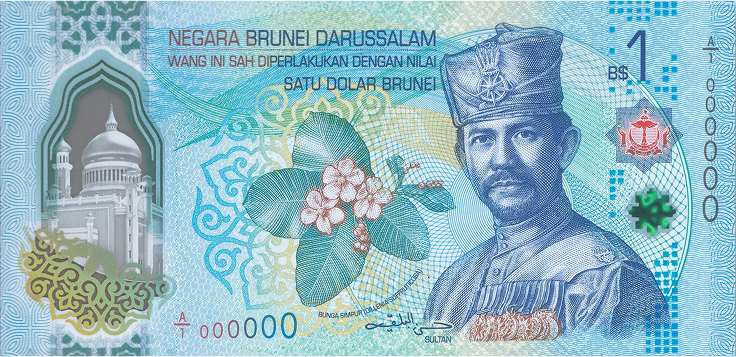
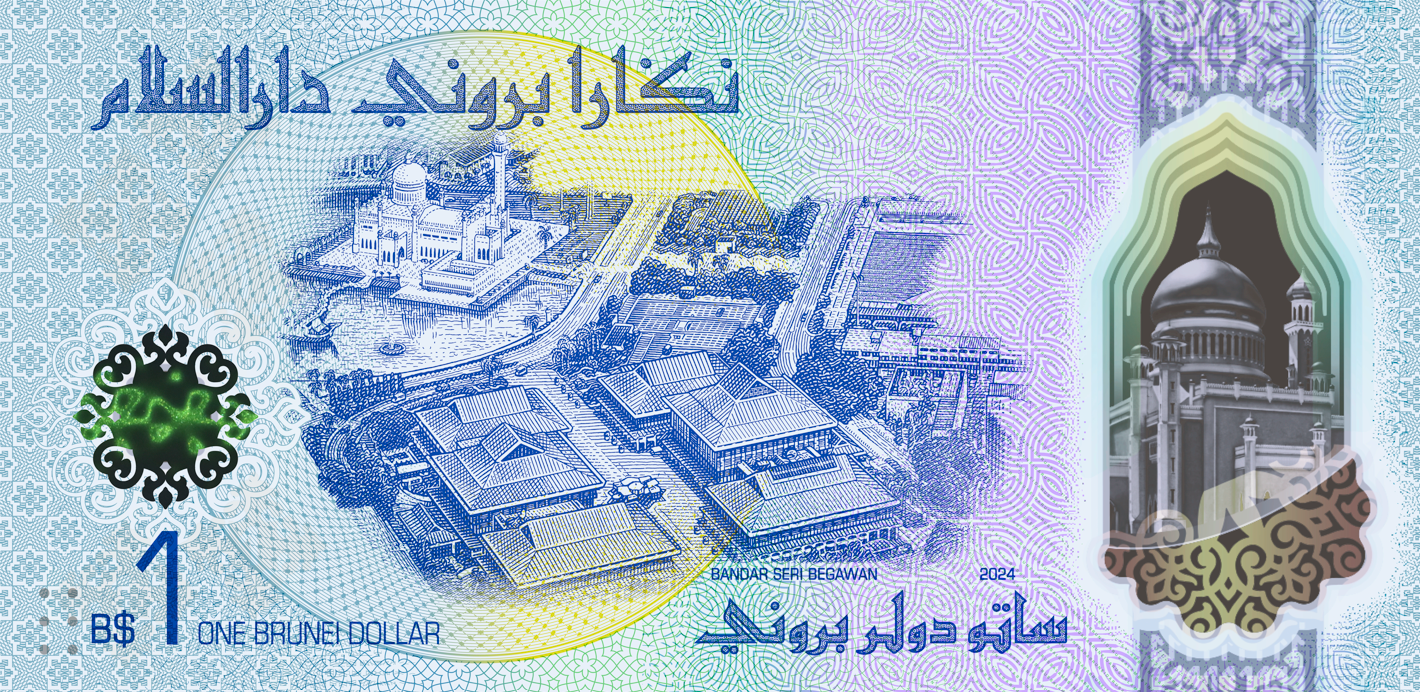
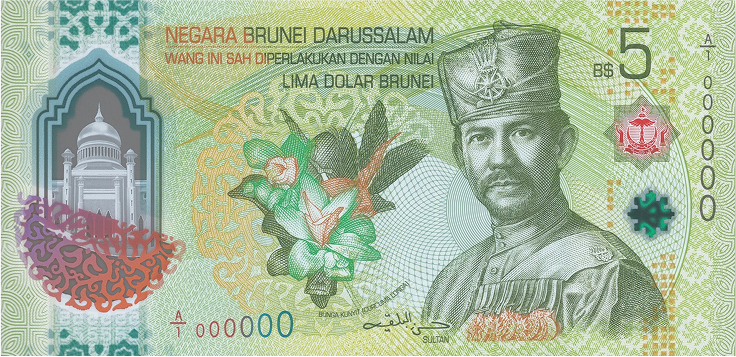
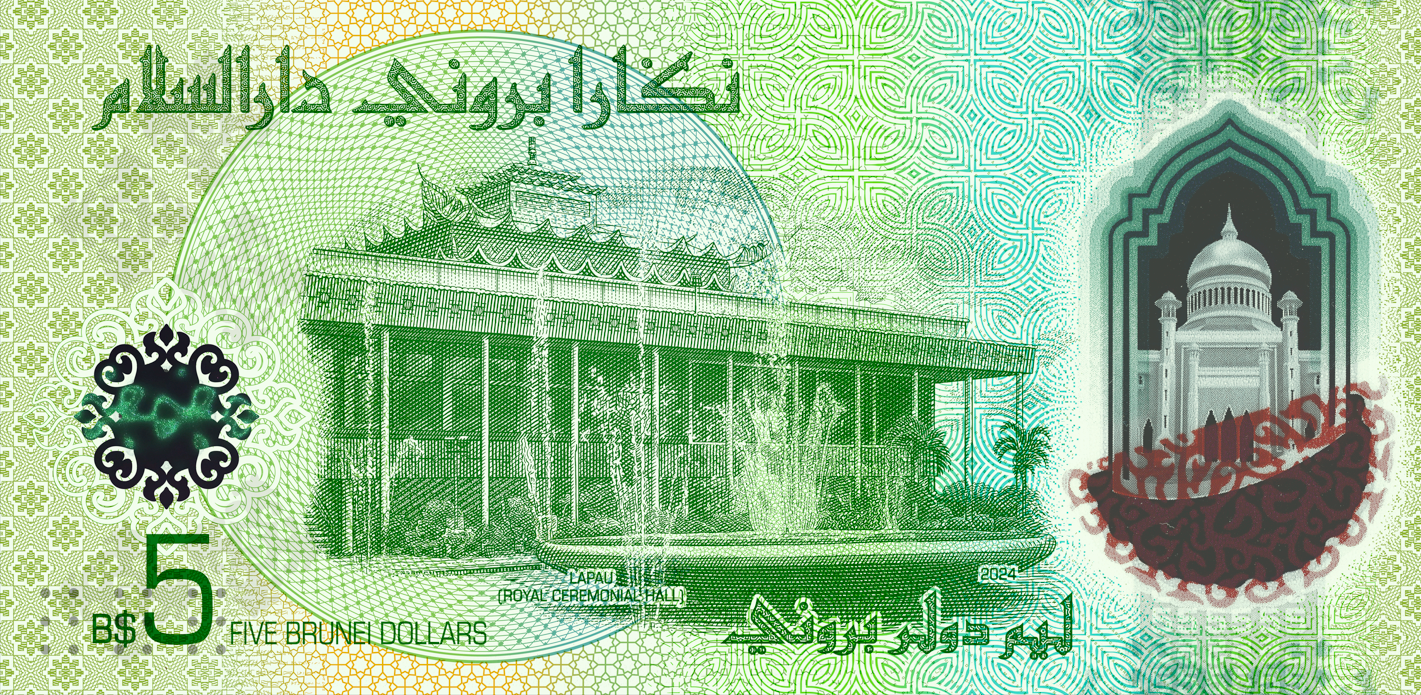
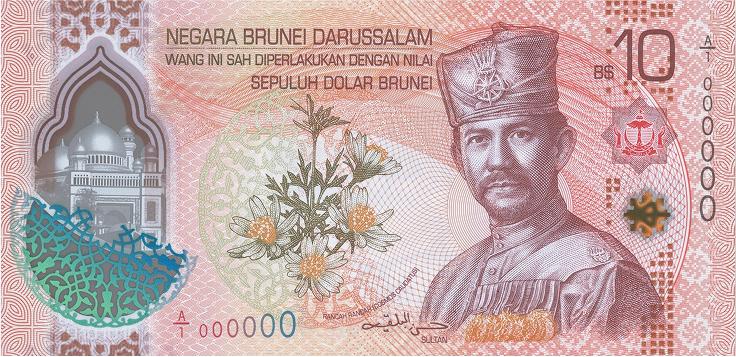
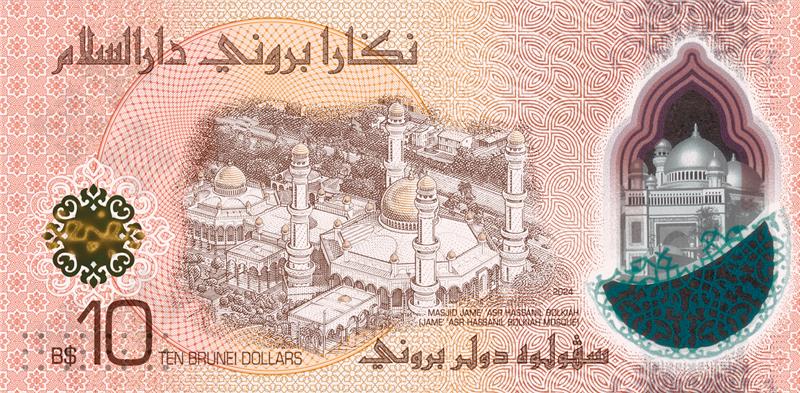
The technical design of the future Brunei dollar incorporated international best practices adapted to local characteristics. The iconographic choices — mosques, the Sultan and Islamic symbols — reflected national identity while meeting international technical standards. This successful synthesis of tradition and modernity characterises the Bruneian approach.
The training of technical staff, establishment of relations with regional central banks and logistical preparation for currency issuance showed remarkable professionalism. This careful preparation contributed greatly to the subsequent success of the monetary transition.
The Establishment of the BND and the Singapore Agreement (1967)
The Simultaneous Birth of Two Sister Currencies
12 June 1967 marks a unique date in world monetary history: the simultaneous birth of two national currencies designed to operate in perfect harmony. The Currency Agreement signed between Brunei and Singapore established a remarkable precedent for monetary cooperation between small sovereign states.
This revolutionary agreement established full interchangeability between the two currencies at a 1:1 parity rate. This innovation, unique in the world, allows citizens of both countries to use Brunei and Singapore dollars interchangeably in everyday transactions. This exceptional convenience stimulates bilateral trade and strengthens regional economic integration.
The inauguration ceremony, jointly presided over by Sultan Hassanal Bolkiah (newly enthroned) and Lee Kuan Yew, symbolised exemplary cooperation between two nations with different cultures and political systems but converging economic interests. This visionary monetary diplomacy had a lasting influence on bilateral relations.
The first Bruneian banknotes, with sophisticated designs combining Arabic calligraphy and modern aesthetics, reflected the sultanate's distinctive Islamic identity. This visual differentiation, while preserving functional parity with Singapore, asserted national sovereignty while facilitating regional integration.
How Interchangeability Works
The practical operation of interchangeability reveals remarkable technical sophistication. The two central banks established automatic clearing mechanisms to manage currency flows in both directions. These systems, forerunners of modern international clearing houses, operate with remarkable efficiency and discretion.
Commercial banks in both countries quickly developed the expertise needed to manage this dual-currency system. Their computer systems, adapted to process BND and SGD interchangeably, created a de facto unified money market. This technical integration greatly facilitated bilateral trade.
Public acceptance of this complex system demonstrates citizens' confidence in their respective monetary institutions. This mutual trust, patiently built through economic performance and institutional transparency, forms the true foundation of the system's success.
Periodic technical adjustments — banknote modernisation, adaptation to new security technologies and monetary policy coordination — demonstrate the system's ability to evolve without challenging its fundamental principles. This adaptability largely explains its exceptional longevity.
The Oil Golden Age and the Management of Abundance (1970-1990)
Oil Shocks and Brunei's Windfall
The oil shocks of 1973 and 1979 transformed Brunei into one of the world's wealthiest nations per capita. This sudden, immense prosperity tested the emerging monetary institutions and required rapid adaptation to the challenges of managing abundance. Sultan Hassanal Bolkiah and his team developed a cautious, forward-looking approach to this exceptional wealth.
Oil revenues, which increased tenfold in a decade, required innovations in public treasury management and international investment. The Brunei Investment Agency, established in 1983, developed world-class expertise in sovereign wealth fund management. This pioneering institution later inspired other oil-producing countries in the management of their surpluses.
The policy of investment diversification, favouring prudence over speculation, preserved and increased national wealth. This financial wisdom, inspired by Islamic principles of responsible stewardship, contrasted with the sometimes extravagant approach of other oil monarchies. The Brunei dollar benefited from this exemplary management through exceptional stability.
The social infrastructure developed during this period — free education, universal healthcare and subsidised housing — redistributed national wealth fairly without generating excessive inflation. This generous social policy strengthened the sultanate's legitimacy and maintained national cohesion despite ethnic and religious diversity.
Full Independence and Monetary Maturity (1984)
Brunei's full independence on 1 January 1984 confirmed the maturity of its monetary institutions. This transition, amicably negotiated with Britain, preserved all existing monetary arrangements while asserting full national sovereignty. The continuation of the agreement with Singapore demonstrated the value attached to this successful cooperation.
The creation of the Autoriti Monetari Brunei Darussalam (AMBD) in 1984 modernised the institutional framework while preserving the fundamental principles established in 1967. This institution, combining central banking and financial supervision functions, drew on the Singaporean model while adapting it to local characteristics.
Dato Paduka Haji Awang Bahrin, the first AMBD governor, established the institutional traditions of prudence and technical competence that still characterise Bruneian monetary policy today. His approach, combining technical orthodoxy with local cultural sensitivity, had a lasting influence on national monetary management.
This period also saw the growth of the domestic banking sector, with local banks established to meet the sultanate's specific needs. These institutions, operating according to Islamic finance principles, diversified financial services while respecting national religious values.
| Indicator | 1970 | 1980 | 1990 | Change |
|---|---|---|---|---|
| GDP per capita (USD) | 1 000 | 15 000 | 25 000 | ×25 |
| Foreign exchange reserves (USD billion) | 0,1 | 2,5 | 8,0 | ×80 |
| Average annual inflation | 2% | 3% | 1% | Controlled |
| Oil's share of GDP | 40% | 65% | 55% | Dominant |
A closer look at the banknotes
Modernisation and Contemporary Challenges (1990-2024)
Adapting to Technological Change
The 1990s saw Brunei gradually modernise its financial system to adapt to global technological developments. The introduction of bank cards, modernisation of payment systems and computerisation of banking services transformed everyday use of the Brunei dollar while preserving the system's distinctive features.
The emergence of the Internet and e-commerce required sophisticated regulatory adaptations. The AMBD developed a modern legal framework to govern new financial instruments while preserving systemic stability. This proactive approach avoided the excesses seen in other, less-prepared jurisdictions.
Technological cooperation with Singapore deepened through the harmonisation of electronic payment systems. This technical integration, facilitated by currency interchangeability, created a de facto unified payments area between the two countries. This innovation foreshadowed subsequent developments in digital currencies.
Yang Mulia Dato Seri Setia Dr. Awang Haji Mohd Amin Liew Abdullah, governor since 2018, has orchestrated the AMBD's digital transformation with remarkable strategic vision. His initiatives combine technological innovation with the preservation of traditional values, an approach characteristic of Bruneian modernisation.
The Challenges of Economic Diversification
Recognition of the need to diversify the economy beyond oil has driven significant structural reforms. "Brunei Vision 2035", launched in 2008, aims to transform the sultanate into a diversified developed economy while preserving its distinctive cultural and environmental characteristics.
This diversification strategy requires monetary policy adjustments to support new economic sectors. The AMBD is developing innovative financial instruments — Islamic financing, venture capital and green bonds — suited to the needs of SMEs and emerging sectors.
The development of the halal industry, cultural tourism and Islamic financial services creates new challenges and opportunities for the Brunei dollar. These sectors, less cyclical than oil, promise stronger long-term monetary stability.
Regional cooperation is intensifying through active participation in ASEAN financial integration initiatives. Brunei plays a facilitating role thanks to its monetary stability and Islamic finance expertise, strengthening its regional influence despite its small economic size.
Islamic Finance and Monetary Innovation
Brunei as a Regional Islamic Finance Hub
Brunei's distinctive Islamic identity is reflected in its innovative approach to finance. Since the 1990s, the sultanate has developed recognised expertise in Islamic finance (Sharia-compliant finance), gradually influencing the management of the Brunei dollar and reinforcing its regional distinctiveness.
The Islamic Bank of Brunei Berhad, established in 1981 and a pioneer of Islamic banking in Southeast Asia, develops financial products that respect Islamic principles. These innovations — sukuk (Islamic bonds), mudarabah (partnerships) and takaful (Islamic insurance) — diversify domestic financial services and attract international Islamic capital.
The creation of the Brunei International Financial Centre in 2000 aimed to make the sultanate a regional hub for Islamic finance. This strategy, supported by the BND's exceptional stability and local regulatory expertise, has gradually attracted international Islamic financial institutions.
Harmonising Islamic finance standards with regional partners, notably Malaysia and Indonesia, facilitates regional financial integration. This technical cooperation strengthens the influence of the Bruneian model and consolidates the BND's position as a benchmark for stability in Asian Islamic finance.
The Digital Era and Continuing Innovation
Entry into the digital era offers new opportunities for monetary innovation that respects Islamic values. The AMBD actively explores the possibilities offered by blockchain and digital currencies, always in accordance with Sharia principles.
The Bruneian digital currency project, being studied in cooperation with Singapore, could once again revolutionise bilateral monetary cooperation. This technological innovation, adapted to local cultural characteristics, could serve as a model for other Islamic countries.
Islamic fintech is emerging as a promising sector combining technological innovation with respect for traditional values. Brunei is gradually positioning its financial system as a laboratory for this synthesis of modernity and religious authenticity.
This evolution is accompanied by stronger monetary diplomacy with the Gulf states and other Islamic nations. These partnerships, facilitated by Bruneian expertise and the stability of the BND, extend the sultanate's international influence far beyond its economic size.
The Present Position and Prospects
The BND in the Regional Economy
Today, the Brunei dollar occupies a unique position in Southeast Asia: the currency of a resource-rich microstate with disproportionate influence thanks to its exceptional stability and strategic partnerships. With GDP of USD 15 billion and foreign exchange reserves exceeding USD 4 billion, Brunei has a remarkable monetary foundation.
The agreement with Singapore, maintained without interruption since 1967, is the world's oldest de facto monetary union. This exceptional performance attracts the attention of international economists and inspires other projects for regional monetary cooperation.
Conservative but effective management of oil wealth guarantees BND stability despite volatility in energy markets. This resilience, combined with gradual economic diversification, strengthens international confidence in the Bruneian currency.
The expertise developed in Islamic finance positions Brunei as a regional benchmark in this rapidly growing sector. This distinctive specialisation differentiates the BND from other regional currencies and attracts specific capital flows.
Future Challenges and Opportunities
The future of the BND depends largely on successful economic diversification and adaptation to global energy transformations. The transition to a post-oil economy requires monetary and financial innovations to support new growth sectors.
The development of the digital economy offers unique opportunities combining technological innovation with the preservation of Islamic values. This synthesis could make Brunei a global laboratory for digital Islamic finance.
ASEAN economic integration is gradually deepening, creating new opportunities for the BND to serve as a regional facilitator. Its stability and political neutrality make it a natural intermediary for regional financial cooperation.
Climate and environmental challenges require adjustments to economic and monetary policies. Brunei is actively exploring green bonds and sustainable investments, positioning the BND as a reference currency for Islamic green finance.
Dynastic succession, although carefully prepared, represents a major institutional challenge. The continuation of prudent monetary policy and cooperation with Singapore will depend on future generations' ability to preserve these achievements while adapting to new challenges.
The Monetary Agreement with Singapore: A Unique Success
The Mechanisms of Exceptional Cooperation
The BND-SGD interchangeability agreement represents one of the most remarkable successes in international monetary cooperation. Since 1967, this de facto union has never experienced a major crisis, devaluation or fundamental challenge. This exceptional performance rests on sophisticated institutional mechanisms and patiently built mutual trust.
Regular technical meetings between the AMBD and the Monetary Authority of Singapore (MAS) coordinate monetary policies without compromising either institution's autonomy. This discreet but effective monetary diplomacy manages necessary adjustments before they become problematic.
Bilateral trade flows, facilitated by interchangeability, strengthen economic integration. Businesses in both countries benefit from the complete elimination of exchange rate risk, stimulating trade and cross-investment. This practical integration reinforces the economic foundations of monetary cooperation.
Public acceptance of this complex system demonstrates its practical value. Citizens of both countries naturally use the two currencies without difficulty, creating a de facto unified monetary area unique in the world. This popular success guarantees the system's political longevity.
Lessons for Other Monetary Partnerships
The Brunei-Singapore experience offers valuable lessons for other attempts at monetary cooperation. Prior economic convergence, shared institutional quality and economies of comparable size are essential prerequisites rarely found together elsewhere.
Discreet technical management, prioritising effectiveness over political visibility, contrasts with other monetary cooperation experiences that have attracted more publicity but proved less durable. This "low-profile" approach avoids political tensions while maximising economic benefits.
The absence of hegemonic ambitions on either side facilitates this balanced cooperation. Neither country seeks to dominate the other, creating a genuinely equal partnership despite differences in political systems and culture.
This success now inspires other monetary cooperation projects, particularly among small developed economies seeking to share the costs of monetary sovereignty while preserving their political independence.
Conclusion: A Model of Stability and Cooperation
The history of the Brunei dollar, from its birth in 1967 to contemporary innovations, illustrates how a small, resource-rich nation can manage its prosperity intelligently while integrating harmoniously into the regional economy. This exceptional trajectory demonstrates Bruneian institutional wisdom and its capacity to adapt continuously to changing challenges.
The BND's lasting success rests on distinctive qualities: conservative but effective wealth management, exemplary international cooperation, innovation respectful of traditional values and a long-term vision that transcends short political cycles. These strengths, patiently cultivated since independence, continue to characterise Brunei's monetary approach.
The unique agreement with Singapore demonstrates that monetary cooperation can prosper when it rests on solid foundations: economic convergence, mutual institutional trust and a shared vision of development. This exceptional 57-year success inspires both theorists and practitioners of international monetary integration.
Today, the Brunei dollar faces the challenges of the 21st century with strengths forged through more than half a century of successful monetary experience. Its remarkable stability, grounding in Islamic values and capacity for continuous innovation place it in a favourable position to maintain its relevance in a rapidly changing world, confirming that size is not an insurmountable obstacle to monetary excellence.
This article draws on the editorial collection supplied in 2025. Figures and descriptions should be read in their original context. About the content