The banknotes in pictures
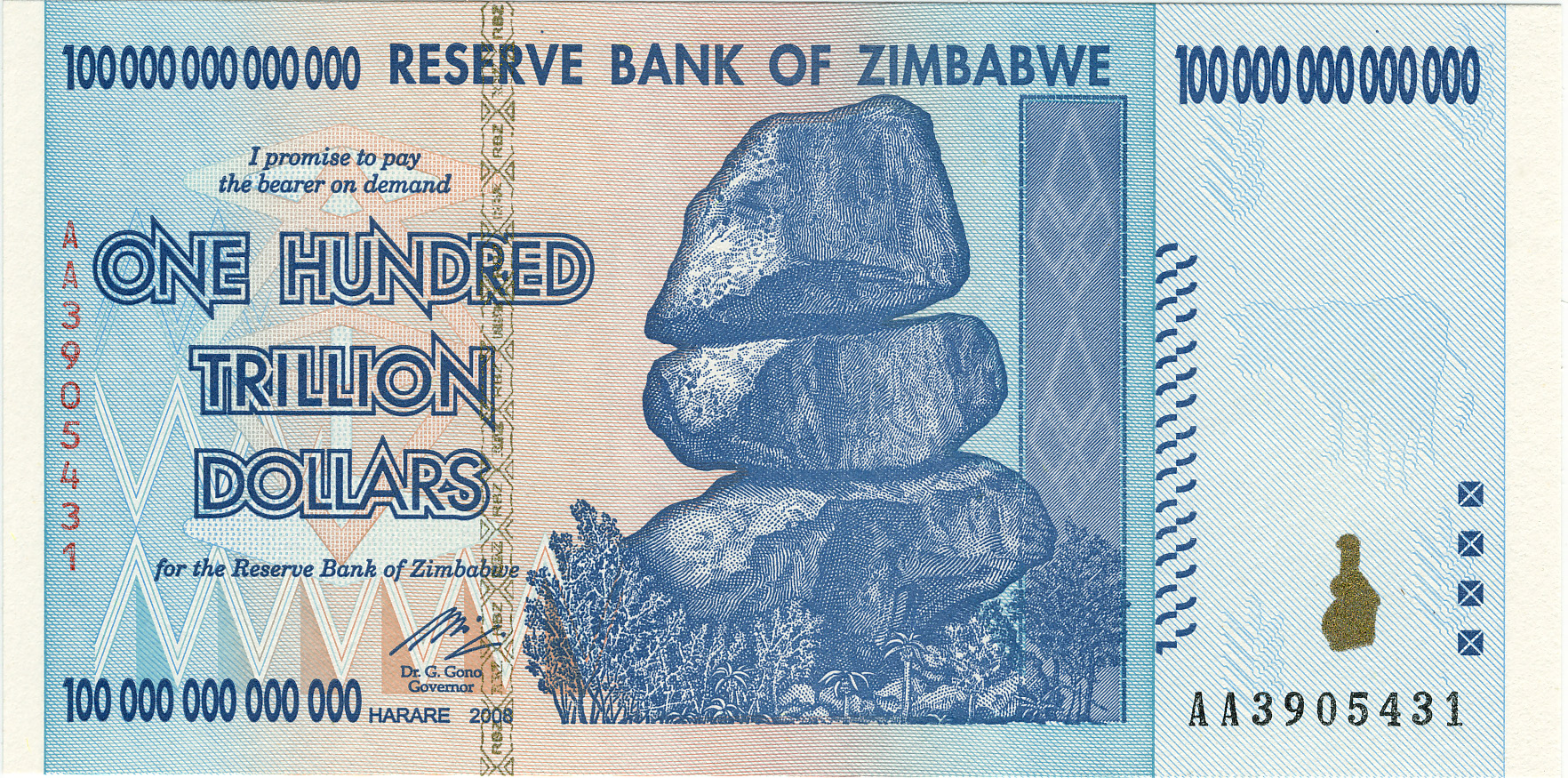
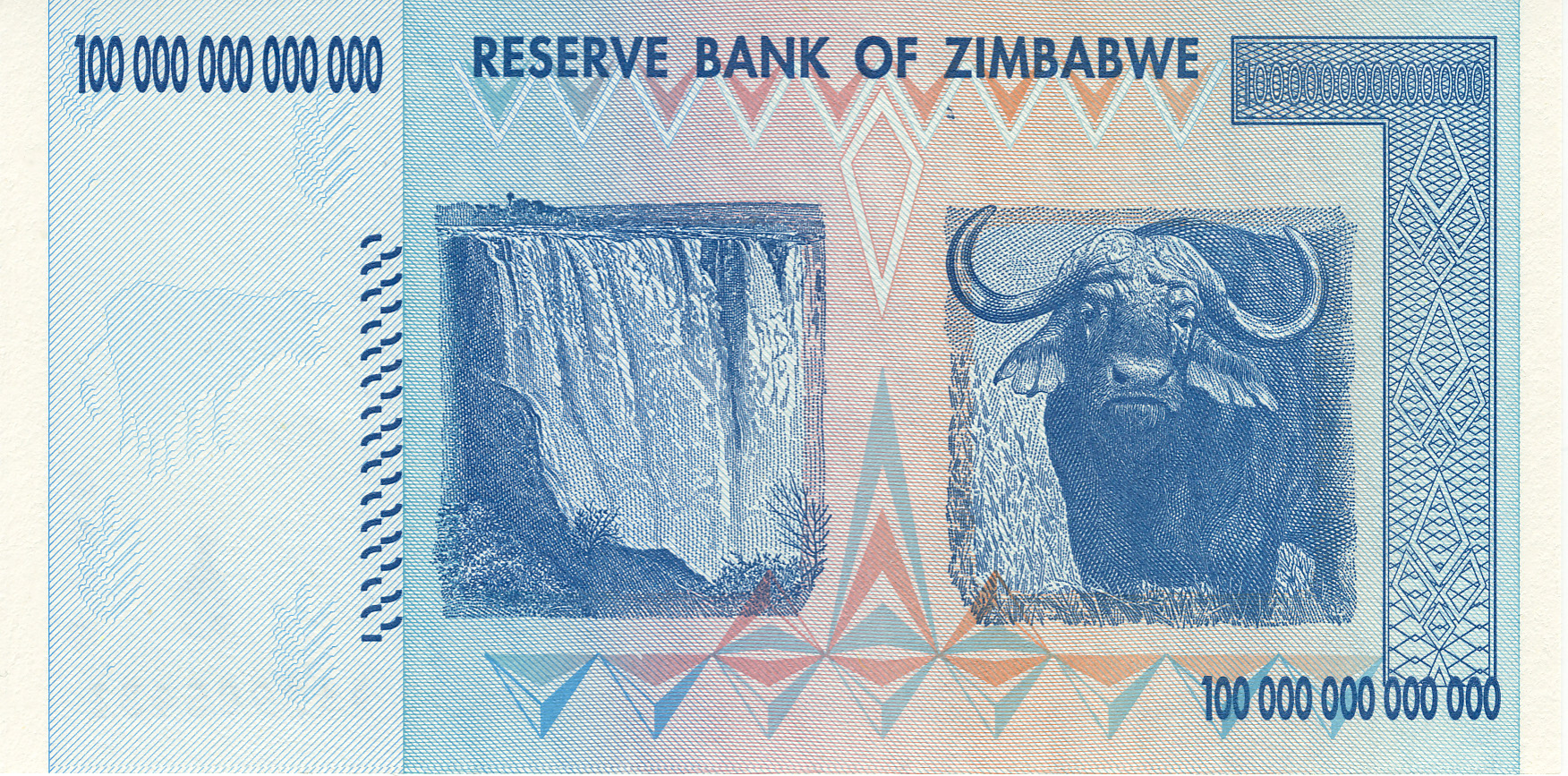
These banknotes illustrate the history of hyperinflation; they do not represent the currency currently used in Zimbabwe.


The Colonial Legacy and Economic Foundations (1890-1980)
Southern Rhodesia: Colonial Prosperity and Racial Exclusion
The economic history of modern Zimbabwe begins with British colonisation in 1890, led by Cecil Rhodes and the British South Africa Company. This occupation quickly transformed the territory into one of southern Africa's most prosperous colonies, developing a modern economy based on mining (gold, chromium and nickel), extensive commercial agriculture and an emerging manufacturing industry.
Rhodesia's monetary system initially used the British pound sterling, then adopted the Rhodesian dollar in 1970 in the context of a unilateral declaration of independence (UDI) in response to British pressure for the political emancipation of the black majority. Although technically unrecognised internationally, this colonial currency maintained its stability thanks to the strength of the underlying economy.
This economic prosperity nevertheless rested on a particularly harsh system of apartheid that concentrated 99% of fertile land in the hands of 250 000 white settlers, confining 6 million Africans to overcrowded and impoverished reserves. This extreme structural inequality undermined the social foundations of economic stability and prepared the ground for future conflicts.
The Rhodesian economy nevertheless developed sectors of world-class excellence: tropical agriculture (tobacco, maize and cotton), a sophisticated mining industry and a diversified manufacturing sector that placed the country among the African continent's most advanced economies. This solid productive base formed the legacy on which the post-independence economy would initially rely.
The Liberation War and Economic Upheaval
The liberation war (1966-1979) gradually transformed the Rhodesian economy into a war economy, with growing international sanctions isolating the country and disrupting traditional trade networks. Paradoxically, this period fostered economic self-sufficiency and diversified local production through import substitution.
Although incomplete because of South African support, the economic sanctions revealed the structural vulnerabilities of this colonial economy dependent on external markets. This experience of relative isolation prepared nationalist leaders conceptually to consider autonomous economic policies after independence.
Wartime mobilisation stimulated certain industrial sectors while destroying rural infrastructure and disrupting agricultural production. This economic duality—accelerated urban modernisation and rural decline—characterised the economic situation inherited by the independence government.
This period also saw the first tensions emerge within the nationalist movement between a socialist vision (ZANU) and a more liberal approach (ZAPU), ideological differences that would profoundly influence post-independence economic policy choices and contribute to future mistakes.
1965 : Rhodesian unilateral declaration of independence
1970 : Creation of the Rhodesian dollar
1980 : Independence—birth of the Zimbabwe dollar
2009 : Official abandonment of the ZWL
2019 : Attempt to bring back the ZWL
Independence and Initial Euphoria (1980-1990)
The Birth of the Zimbabwe Dollar
Zimbabwe's independence on 18 April 1980 brought the creation of the Zimbabwe dollar (ZWL), replacing the Rhodesian dollar at equal parity (1:1). This monetary transition symbolised political emancipation while preserving economic continuity, reflecting the pragmatic strategy of the new government led by Robert Mugabe.
The first years after independence benefited from a favourable economic context: successful political reconciliation, the retention of white technical expertise and favourable world prices for Zimbabwean exports. This initial stability strengthened the new currency's credibility and maintained investor confidence.
The Reserve Bank of Zimbabwe, led by competent technocrats trained at leading Western universities, adopted a conservative monetary policy prioritising price and exchange-rate stability. This orthodox management kept inflation below 10% and preserved approximate parity with the US dollar.
This period saw massive public investment in education, health and rural infrastructure that dramatically improved living conditions for the black majority without destabilising the economy. Financed by economic growth and international aid, these social reforms initially demonstrated the viability of the post-independence model.
The First Structural Challenges
Despite the early successes, the 1980s revealed growing structural tensions that prepared the ground for future crises. Demographic pressure on arable land intensified with natural population growth and the return of war refugees, creating urgent expectations of land redistribution.
The economic system inherited from colonisation revealed its limitations: excessive concentration in export agriculture, dependence on industrial imports and persistent economic dualism between the modern sector and the subsistence economy. These structural imbalances gradually weakened the foundations of monetary stability.
Recurring droughts (1982-1984, 1987) revealed this largely agricultural economy's vulnerability to climatic hazards. These external shocks required exceptional public expenditure and massive food imports that worsened the balance of payments and put pressure on the national currency.
The emergence of internal political tensions, particularly the conflict in Matabeleland (1982-1987), diverted resources towards military and security spending at the expense of productive investment. This gradual militarisation of the state undermined economic confidence and prepared the ground for the future authoritarian drift.
| Indicator | 1980 | 1985 | 1990 | Change |
|---|---|---|---|---|
| GDP per capita (USD) | 850 | 920 | 1 100 | +29% |
| Exchange rate (ZWL/USD) | 0,65 | 1,8 | 2,5 | -74% |
| Annual inflation | 5,4% | 8,7% | 12,1% | ×2,2 |
| Fiscal balance (% of GDP) | -2,1% | -6,8% | -8,9% | -324% |
Structural Adjustment and the First Turbulence (1990-2000)
The ESAP Programme and Failed Liberalisation
The adoption of the Economic Structural Adjustment Programme (ESAP) in 1990, under pressure from the IMF and World Bank, marked a dramatic turning point in Zimbabwe's economic history. Poorly suited to local circumstances, this abrupt economic liberalisation triggered a series of shocks that gradually destabilised the foundations of national prosperity.
The removal of exchange controls and massive devaluation of the Zimbabwe dollar (from 2,5 to 8 ZWL/USD between 1990-1995) abruptly exposed the local economy to international competition without sufficient preparation. This hasty opening destroyed many local manufacturing companies and worsened urban unemployment.
Labour-market deregulation and the removal of food subsidies caused a rapid deterioration in ordinary people's living conditions, undermining the post-independence social consensus. This urban impoverishment fuelled political opposition and weakened the government's legitimacy.
Paradoxically, this period saw the Zimbabwean economy become more integrated into international financial networks, attracting volatile speculative capital that amplified monetary instability. This growing dependence on external financial flows increased vulnerability to future crises of confidence.
The Emergence of Opposition and the Politicisation of the Economy
The emergence of the Movement for Democratic Change (MDC) in 1999, with a programme of political and economic liberalisation, radically transformed Zimbabwe's political equation. For the first time, this credible opposition challenged ZANU-PF's monopoly and generated a crisis of legitimacy that immediately affected economic confidence.
The Mugabe government's response was to abandon its initial economic moderation in favour of radical populist policies aimed at regaining public support. This politicisation of the economy replaced economic rationality with electoral calculations and prepared the ground for future catastrophes.
The constitutional referendum of February 2000, ZANU-PF's first electoral defeat, triggered an authoritarian and populist escalation that permanently transformed the nature of the regime. This political radicalisation gradually destroyed the economic and judicial institutions that had guaranteed monetary stability.
This period also saw systemic corruption intensify with the rapid enrichment of a parasitic political elite. This organised economic predation diverted substantial resources and undermined confidence in public institutions, preparing the monetary collapse to come.
Total Collapse: Record Hyperinflation (2000-2009)
Land Reform and the Destruction of the Productive Economy
The launch of the "Fast Track Land Reform" programme in February 2000 triggered the most destructive phase in Zimbabwe's economic history. Carried out through violence and without compensation, this chaotic land redistribution destroyed within a few years the commercial agriculture that had formed the backbone of the national economy.
The collapse in agricultural production was spectacular: tobacco production fell from 237 000 tonnes (2000) to 48 000 tonnes (2008), and maize from 2,2 million tonnes to 450 000 tonnes over the same period. This destruction of export agriculture deprived the country of its main sources of foreign exchange and irreparably destabilised the balance of payments.
This agricultural catastrophe triggered a chain reaction of economic disintegration: the closure of agribusinesses, the collapse of the manufacturing sector dependent on local raw materials and the destruction of the financial system exposed to agricultural loans. This deflationary spiral destroyed the real economy's productive base.
The mass exodus of white farmers and skilled agricultural workers (more than 300 000 jobs lost) deprived the country of irreplaceable technical expertise and deepened the productivity collapse. This destruction of human capital may have been the most irreversible loss of this period.
The Vicious Monetary Spiral
Faced with collapsing tax revenues, Zimbabwe's government resorted on a massive scale to monetary financing of public expenditure, triggering an inflationary spiral of unprecedented intensity. Totally subordinated to political power, the Reserve Bank of Zimbabwe abandoned all monetary discipline and printed money without limit to finance government spending.
This unchecked money creation reached staggering proportions: the money supply increased by 66 000% in 2007 and by 1,7 million % in 2008. This explosion of liquidity without corresponding production fuelled hyperinflation that shattered all historical world records and completely destroyed the Zimbabwe dollar's function as money.
Monthly inflation reached 2,3 million % in July 2008, then became literally uncontrollable, with an estimated annual rate of 89,7 sextillion % in November 2008—a figure so astronomical that it exceeds ordinary human calculation. This record hyperinflation turned Zimbabwe into the world's laboratory of total monetary collapse.
To keep up with this runaway inflation, the Reserve Bank issued denominations of ever more astronomical value: banknotes of 1 million (2006), 100 million (2008), then 100 000 billion Zimbabwe dollars (January 2009). Becoming curiosities more than means of payment, these banknotes illustrate the absurdity of a monetary system completely disconnected from economic reality.
Social Collapse and Mass Exodus
This monetary catastrophe was accompanied by an unprecedented social collapse that transformed Zimbabwe from the "breadbasket of Africa" into a country in humanitarian distress. Hyperinflation destroyed real wages, pushed 80% of the population below the absolute poverty line and caused widespread malnutrition in a country that had once been self-sufficient in food.
The collapse of public services was total: hospitals closed for lack of medicines, the education system stopped functioning, power cuts were constant and infrastructure fell into complete disrepair. This disintegration of the modern state returned the country to a pre-industrial level of development.
This catastrophe caused an unprecedented exodus: more than 3 million Zimbabweans (25% of the population) emigrated to South Africa, Botswana and Great Britain between 2000 and 2009. This demographic haemorrhage deprived the country of its active population and deepened the economic collapse through the loss of skills.
Social despair reached tragic levels: life expectancy fell from 61 years (1990) to 34 years (2008), HIV prevalence surged to 28% and infant mortality tripled. This dramatic human regression illustrates the astronomical social costs of monetary and economic collapse.
Abandonment and De Facto Dollarisation (2009-2019)
Official Monetary Surrender
The official abandonment of the Zimbabwe dollar in April 2009 marked one of the most spectacular monetary surrenders in modern economic history. Formalised by legalising the use of foreign currencies, this decision officially acknowledged the national currency's total failure and endorsed the de facto dollarisation already adopted by the population to survive.
This multicurrency dollarisation (US dollar, South African rand, pound sterling and Botswana pula) immediately calmed hyperinflation and restored a measure of price stability. Although humiliating for national sovereignty, this monetary "shock therapy" saved Zimbabwe's economy from total collapse and allowed a gradual stabilisation of the humanitarian situation.
This period saw a modest but significant economic recovery: GDP grew by 10,6% in 2009, 11,9% in 2010 and 11,9% in 2011, driven by returning investor confidence and the normalisation of economic exchange. Although starting from a collapsed base, this recovery demonstrated the resilience of Zimbabwe's people and the country's economic potential.
However, dollarisation imposed severe constraints: the total loss of autonomous monetary policy, critical dependence on foreign-currency inflows and the state's inability to finance deficits through money creation. Although beneficial in the short term for restoring stability, these constraints limited long-term economic room for manoeuvre.
Stagnation within Stability
The decade of dollarisation (2009-2019) was characterised by restored monetary stability but disappointing economic growth that failed to restore pre-crisis living standards. This relative stagnation revealed that monetary stability, although necessary, was insufficient to resolve the Zimbabwean economy's deep structural problems.
Structural problems persisted: ruined agriculture, dilapidated infrastructure, capital and skills flight, endemic corruption and deficient economic governance. These structural disadvantages limited growth potential and kept the country in an underdevelopment trap despite monetary stability.
This period also revealed the constraints of dollarisation: chronic cash shortages (the US Fed does not take Zimbabwe's needs into account!), the inability to devalue to restore competitiveness and total dependence on foreign monetary policies. These constraints partly explain the decade's economic stagnation.
Nevertheless, this period allowed the financial sector to be gradually rebuilt through bank recapitalisation, restored confidence in the banking system and the development of new financial instruments suited to a dollarised economy. This financial modernisation laid the foundations for a more sustained future economic recovery.
| Year | Inflation (%) | GDP (USD billions) | Currency used |
|---|---|---|---|
| 2008 | 89 700 000 000 000 000 000 000% | 4,4 | ZWL (collapse) |
| 2009 | 6,2% | 8,8 | USD/ZAR/GBP |
| 2015 | -2,4% | 16,3 | USD dominant |
| 2019 | 255% | 14,1 | Partial return of the ZWL |
The Attempted Resurrection: The Return of the ZWL (2019-2024)
The Ambition to Bring Back the Currency
L
This article draws on the editorial collection supplied in 2025. Figures and descriptions should be read in their original context. About the content