The banknotes in pictures
From Desert Islands to a Pirate Refuge (1503-1863)
Discovery and Colonial Neglect
The history of the Cayman Islands begins with their discovery by Christopher Columbus on 10 May 1503 during his fourth voyage. He named them "Las Tortugas" because of the extraordinary abundance of sea turtles inhabiting their crystal-clear waters. For centuries, this exceptional natural resource was the only economic wealth of these isolated islands.
Unlike other Caribbean islands, the Caymans remained undeveloped by European colonial powers. The absence of fresh water, fertile soils and precious metals discouraged systematic colonisation. This geographical and economic marginality paradoxically protected the archipelago from the colonial conflicts that ravaged the Caribbean.
This relative neglect naturally attracted smugglers, buccaneers and pirates seeking discreet bases for their operations. Geographical isolation, numerous sheltered coves and the absence of effective colonial authority transformed the Caymans into an informal sanctuary for Caribbean piracy.
Edward Teach (Blackbeard), Henry Morgan and other legendary buccaneers regularly used these islands as logistical bases. This tradition of providing a discreet refuge for unconventional financial activities strangely foreshadowed the modern Caymans' future role as a legal tax haven.
The First Settlers and the Subsistence Economy
The first permanent settlers arrived around 1658, mainly castaways, deserters and adventurers fleeing the colonial authorities of neighbouring islands. These pioneers developed a subsistence economy based on fishing, turtle hunting and shipbuilding using local tropical timber.
This isolated society developed a unique culture of self-sufficiency and fierce independence. The absence of strong colonial authority created early democratic traditions and an instinctive distrust of excessive government intervention, cultural traits that still influence the Caymanian approach to regulation today.
The sea turtle economy dominated for three centuries. These giant reptiles, weighing up to 200 kg, were the main export resource for Jamaica and Cuba. This unique specialisation created the first local fortunes and financed the earliest investments in navigation and regional trade.
Geographical isolation also generated exceptional community solidarity. The pioneering families — Bodden, Ebanks, McLaughlin and Watler — developed mutual assistance networks that naturally evolved into informal financial cooperation, preparing the way for future banking innovations.
Dependence on Jamaica (1863-1962)
Administrative integration into Jamaica's dependencies in 1863 formalised the Caymans' colonial status without fundamentally transforming their traditional economy. This subordination to Kingston nevertheless brought the first experiences of modern governance and integration into the British Caribbean monetary system.
This period saw the emergence of the first local financial institutions. Merchant families developed sophisticated credit systems to finance the purchase of boats, fishing equipment and trade with Jamaica and Cuba. These innovations foreshadowed future Caymanian financial expertise.
The economy gradually opened to international trade thanks to Caymanian sailors, renowned throughout the Caribbean for their nautical skills. This maritime diaspora created extensive commercial networks that diversified income sources beyond the traditional turtle trade.
The two world wars paradoxically revealed the strategic importance of this geographical position. More than 500 Caymanians served in the British navy, acquiring technical expertise and an international outlook that gradually transformed traditional island society.
1658 : First permanent settlers
1863 : Administrative attachment to Jamaica
1962 : Jamaican independence and Caymanian autonomy
1972 : Creation of the Cayman Islands dollar
1966 : First modern banking laws
Emancipation and the Financial Vision (1962-1980)
De Facto Independence and the British Choice
Jamaican independence in 1962 confronted the Caymans with a historic choice: follow Jamaica into independence or remain a British Overseas Territory. The unanimous decision to remain British revealed the foresight of local elites, who understood the importance of legal stability for their future economic ambitions.
This strategic decision preserved access to the British legal system, the pound sterling and London's financial markets. These institutional advantages formed the foundations of future financial success, allowing the Caymans to combine local innovation with international credibility.
Ormond Panton, the first Administrator after autonomy, developed an ambitious vision to transform these isolated islands into a modern financial centre. His strategy combined attracting foreign investment, modernising infrastructure and creating a sophisticated but welcoming regulatory framework.
This period saw the emergence of the first offshore banks. The Cayman Islands Trust Company (1965) and other pioneering institutions explored the opportunities offered by a unique combination: British stability, favourable local taxation and proximity to US markets.
The Creation of the Cayman Islands Dollar (1972)
The creation of the Cayman Islands dollar on 1 May 1972 marked the culmination of this financial vision. This seemingly technical decision revealed a sophisticated geopolitical strategy: asserting monetary autonomy while preserving ties with London and facilitating integration with US markets.
The immediate establishment of parity at 1 KYD = 1.20 USD revealed the exceptional ambitions of this initiative. This deliberate overvaluation, unique in the world, symbolised confidence in future financial prosperity and immediately created unparalleled monetary prestige.
The Currency Board, predecessor of today's CIMA, developed conservative monetary management inspired by British best practices. This prudent approach, prioritising stability over rapid growth, immediately established the new monetary system's international credibility.
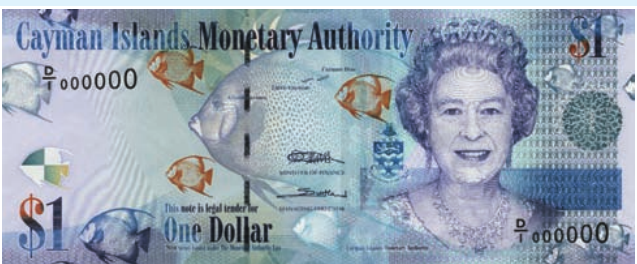
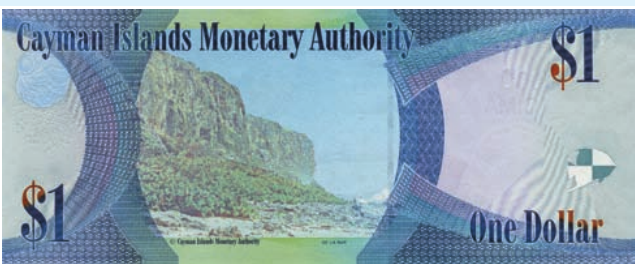
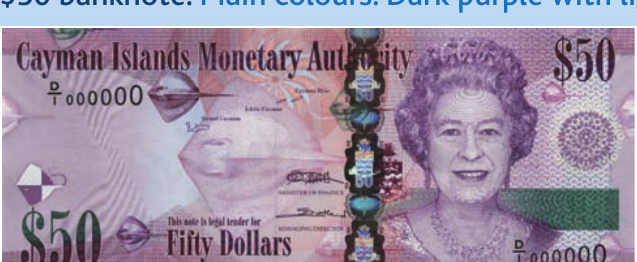
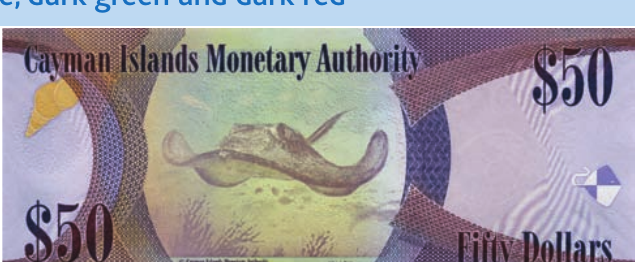
The first Caymanian banknotes, with sophisticated designs celebrating local maritime history, reflected this ambition to create a distinctive financial identity. The chosen imagery — turtles, traditional boats and marine wildlife — projected the image of an authentic island nation with technical competence.
The Financial Centre's Rapid Expansion (1980-2000)
Regulatory Innovation and Global Appeal
The 1980s marked an explosion in the Caymanian financial sector thanks to revolutionary regulatory innovations. The Exempt Company Law (1980), followed by the Mutual Fund Laws (1993), created sophisticated legal vehicles that attracted asset managers, hedge funds and institutional investors from around the world.
This period saw the birth of Caymanian specialisation in hedge funds. The unique combination of sophisticated but flexible regulation, British legal expertise, proximity to the United States and attractive taxation positioned the Caymans as the preferred domicile for the emerging global alternative investment industry.
Financial infrastructure modernised spectacularly: satellite telecommunications, advanced computer systems and world-class professional services transformed George Town into an ultramodern financial centre. This physical transformation accompanied and facilitated economic expansion.
The development of local human capital accompanied this growth. Caymanians, traditionally sailors and fishermen, moved in large numbers into finance, law and accounting. This successful adaptation avoided the social tensions seen in other offshore financial centres.
The Emergence of Luxury Tourism
Alongside financial development, the Caymans developed high-end tourism based on their exceptional natural assets: crystal-clear waters, preserved coral reefs and absolute safety. This diversification prevented exclusive dependence on finance and reinforced the territory's overall appeal.
Seven Mile Beach emerged as one of the world's most sought-after beaches, attracting celebrities, business leaders and affluent tourists. This international reputation strengthened the Cayman Islands' brand and facilitated the development of financial business.
The diving industry also revolutionised the local economy. Exceptionally preserved coral reefs and incomparable underwater visibility attracted divers from around the world, creating a significant economic sector respectful of the environment.
This tourism growth generated complementary revenues that diversified the local economy while creating jobs for local people. This synergy between finance and luxury tourism still characterises the Caymanian economy today.
| Indicator | 1980 | 1990 | 2000 | Change |
|---|---|---|---|---|
| Licensed banks | 150 | 350 | 600 | ×4 |
| GDP per capita (USD) | 12 000 | 28 000 | 45 000 | ×3,75 |
| Annual visitors | 50 000 | 250 000 | 1 200 000 | ×24 |
| Assets under management (USD billion) | 50 | 500 | 1 500 | ×30 |
A closer look at the banknotes
Maturity and Contemporary Challenges (2000-2024)
Adapting to International Standards
Entry into the 21st century confronted the Caymans with growing international pressure over tax transparency and anti-money laundering. The OECD, the European Union and the United States demanded significant reforms that tested the adaptability of the Caymanian model.
This period saw the Caymans revolutionise their regulatory approach. Rather than resist external pressure, the territory chose to anticipate international requirements by developing compliance standards among the highest in the world. This proactive strategy preserved competitiveness while addressing legitimate concerns.
The introduction of FATCA (2014), CRS standards (2017) and strengthened anti-money laundering regulations transformed the local financial industry. These adaptations, costly in the short term, paradoxically strengthened its long-term competitive position by eliminating unscrupulous participants.
This evolution was accompanied by a significant move upmarket. The Caymans gradually abandoned simple financial activities to specialise in sophisticated services: complex structuring, alternative investment management and innovative finance requiring cutting-edge technical expertise.
Technological Innovation and Digital Transformation
The digital era is revolutionising the Caymanian financial industry. Massive investment in technological infrastructure — submarine cables, data centres and advanced cybersecurity — keeps the Caymans at the forefront of global financial innovation.
This technological modernisation facilitates the development of new financial products: cryptoassets, fintech and blockchain. The Caymans are rapidly becoming one of the world's leading jurisdictions for the domiciliation of funds investing in digital assets.
The COVID-19 pandemic accelerated this transformation by demonstrating the effectiveness of remote working. Financial professionals discovered that they could manage billions in assets from the Caymans while serving clients worldwide, strengthening the territory's appeal.
This evolution is accompanied by pioneering regulatory innovations. Regulatory "sandboxes", fast-track licensing and special regimes for emerging technologies position the Caymans as a laboratory for the finance of tomorrow.
The KYD and the Contemporary Economy
A Unique Position in the World Economy
Today, the Cayman Islands occupy a unique position in the global financial economy. With more than USD 5,000 billion in assets under management (equivalent to the combined GDP of Japan and Germany), this territory of 65,000 inhabitants rivals London and New York in financial influence.
This exceptional position rests on several enduring competitive advantages: absolute political stability, recognised regulatory excellence, British legal expertise, geographical proximity to the United States and a reputation for responsible confidentiality. This unique combination remains difficult to reproduce elsewhere.
The Cayman Islands dollar benefits directly from this exceptional prosperity. Its continued overvaluation against the US dollar (1 KYD = 1.20 USD) reflects international confidence in the local economy and provides a symbol of prestige unique in the world.
This situation also generates growing international responsibilities. The Caymans now actively participate in discussions on international financial regulation and contribute to the development of global compliance standards.
The Challenges of Sustainability and Innovation
The future of the Cayman Islands dollar depends largely on the territory's ability to maintain its competitive advantage in the face of global regulatory and technological developments. This continual adaptation requires ongoing investment in training, technology and regulatory innovation.
Climate change also presents a major challenge for these low-lying islands threatened by rising sea levels. Investment in climate resilience and renewable energy is a national priority influencing fiscal and monetary choices.
Global geopolitical developments — US-China tensions, post-Brexit transformation and the emergence of new financial centres — require sophisticated economic diplomacy that preserves relations with all major partners.
Continuous innovation remains essential to maintaining competitiveness. The Caymans actively explore central bank digital currencies, advanced fintech regulations and international technology partnerships to anticipate future transformations in the financial industry.
Conclusion: A Unique Model of Island Success
The history of the Cayman Islands dollar, from its creation in 1972 to its present status as the world's strongest currency, illustrates how strategic vision, excellent governance and continual adaptation can turn geographical constraints into lasting competitive advantages.
This exceptional success rests on sound historical choices: preserving British ties, proactive regulatory innovation, investment in technical excellence and an impeccable customer service culture. These factors, cultivated over more than fifty years, create a combination that is difficult to reproduce elsewhere.
The KYD symbolises this remarkable transformation: from the currency of isolated islands to the reference currency of a global financial centre. This unique performance demonstrates the innovative and adaptive capacity of a small island society that has seized the opportunities of financial globalisation.
Today, the Cayman Islands face the challenges of the 21st century with the confidence afforded by more than half a century of success. Their historical ability to adapt to regulatory developments, recognised technical expertise and privileged geostrategic position place them favourably to maintain their exceptional status, confirming that excellence can transcend the constraints of size when supported by a clear vision and impeccable execution.
This article draws on the editorial collection supplied in 2025. Figures and descriptions should be read in their original context. About the content