The banknotes in pictures
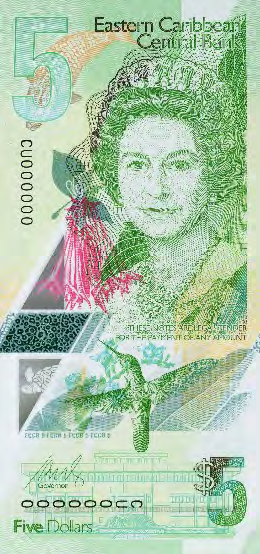
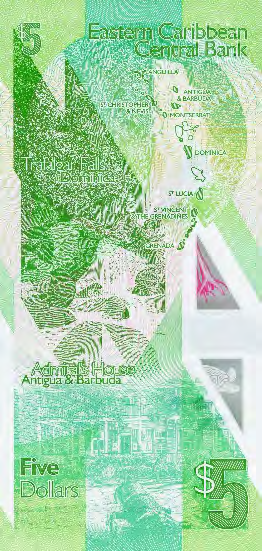
Colonial Legacies and Monetary Fragmentation (1623-1950)
The Colonial Mosaic of the Lesser Antilles
The monetary history of the Eastern Caribbean begins with the arrival of European colonial powers in the 17th century. The British, French, Dutch and Spanish divided these strategic islands among themselves, creating an extraordinarily complex political and monetary mosaic. Each power imposed its own monetary systems, generating economic chaos that lasted for centuries.
Saint Christopher (Saint Kitts), the first British colony in the Caribbean (1623), quickly became a laboratory for colonial monetary experiments. Thomas Warner and his successors had to manage pounds sterling, Spanish coins, French currencies from neighbouring islands and various forms of commodity money suited to the emerging plantation economy simultaneously.
The sugar economy, which dominated the Caribbean from the 17th to the 19th century, generated substantial but destabilising monetary flows. The enormous yet cyclical profits from sugar created alternating periods of prosperity and crisis that complicated monetary management. Planters developed sophisticated credit systems to finance their operations, creating a de facto parallel monetary economy.
This period saw the first attempts at regional monetary standardisation. Introduced sporadically from the 18th century, the British West Indies pound sought to unify the monetary systems of the British colonies. However, local resistance and each island's economic characteristics limited the success of this early initiative.
The Emergence of a British Monetary Identity (1822-1950)
The Order in Council of 1822 imposed the pound sterling as the official currency in all British Caribbean colonies. Motivated by administrative efficiency, this revolutionary decision encountered considerable resistance. Local economies accustomed to Spanish coins and complex exchange systems struggled to adjust to the imposed unification.
The creation of the West Indian Currency Board in 1946 marked a decisive step towards regional monetary modernisation. Based in London but led by colonial experts, this institution established a unified monetary system for the British Caribbean for the first time. The British West Indies dollar (BWI$) gradually replaced the multiple colonial monetary systems.
This period also saw the birth of the first regional banking institutions. The Colonial Bank (1837), followed by Barclays Bank (1926), established inter-island networks that facilitated monetary and commercial exchange. These institutional innovations prepared the infrastructure needed for future monetary integration experiments.
The two world wars accelerated this development by revealing the strategic importance of regional economic cooperation. Wartime constraints—rationing, exchange controls and military coordination—accustomed colonial administrations to institutional cooperation and prepared attitudes for post-colonial integration.
1822 : Order in Council imposing the pound sterling
1946 : Creation of the West Indian Currency Board
1950 : Introduction of the BWI dollar
1958 : West Indies Federation
1965 : Birth of the East Caribbean Currency Authority
The West Indies Federation and Its Ambitions (1958-1962)
The Federal Dream and Monetary Unification
The creation of the West Indies Federation in 1958 gave tangible form to the dream of Caribbean unity for the first time. Bringing together ten British Caribbean territories, this ambitious political experiment included a revolutionary monetary integration project. Federal prime minister Grantley Adams and his finance minister Robert Bradshaw developed a vision of complete economic and monetary union.
The federal West Indies dollar, introduced in 1958, symbolised this ambition for unity. Managed by a sophisticated federal monetary authority, this common currency aimed to facilitate inter-island trade and strengthen economic integration. The first banknotes, bearing the federal coat of arms and pan-Caribbean symbols, reflected this ambitious political vision.
Internal political tensions, however, quickly undermined the experiment. The largest islands—Jamaica and Trinidad and Tobago—questioned the equitable sharing of integration's costs and benefits. These political differences also weakened confidence in the common currency, generating speculative pressure and trade imbalances.
The technical expertise developed during this short but intense period had a lasting influence on the Caribbean approach to monetary integration. Lessons from this first experience—the importance of economic convergence, the need for strong technical institutions and the danger of excessive political ambition—guided later initiatives that were more modest but more durable.
The Collapse and Its Monetary Consequences
Jamaica's departure in 1961, followed by that of Trinidad and Tobago, precipitated the Federation's collapse in 1962. This abrupt political disintegration created a major monetary crisis: the federal dollar instantly lost its institutional foundation and economic credibility. The small eastern islands were left without a coherent monetary system.
This crisis nevertheless revealed the solidarity of the smaller islands after the larger ones' departure. Antigua, Dominica, Grenada, Saint Kitts, Saint Lucia and Saint Vincent discovered their shared interests in facing common monetary challenges. This collective awareness prepared the foundations of the future monetary union, geographically smaller but economically more coherent.
The expertise accumulated during the federal period was not lost. Technical staff trained in federal institutions moved into island administrations, bringing their knowledge of monetary integration mechanisms. This human continuity greatly facilitated subsequent negotiations to create a new monetary union.
The transitional period (1962-1965) saw experiments with various monetary solutions. Some islands temporarily retained the BWI dollar, others explored bilateral agreements and a few even considered national currencies. This diversity of approaches quickly revealed the prohibitive costs of monetary fragmentation for island microeconomies.
Birth of the Eastern Caribbean Currency Union (1965)
The Creation of the East Caribbean Currency Authority
The year 1965 marked a decisive turning point with the creation of the East Caribbean Currency Authority (ECCA), predecessor of today's ECCB. Patiently negotiated by the small eastern British islands, this revolutionary institution established the foundations of the contemporary monetary union. Bradshaw Persaud, its first director, and his team designed a monetary system suited to island microeconomies' specific needs.
Introduced on 6 October 1965, the new Eastern Caribbean dollar replaced the BWI dollar in six territories: Antigua, Dominica, Grenada, Saint Kitts-Nevis-Anguilla, Saint Lucia and Saint Vincent. Its birth brought remarkable institutional innovations: shared governance, equitable representation of member islands and professional technical management.
The institutional architecture showed remarkable sophistication for territories that were still predominantly colonial. The Monetary Council, comprising representatives from each island, set the broad direction, while the technical team handled daily management. This separation between political legitimacy and technical expertise became the system's hallmark.
The first challenges immediately demonstrated the value of this cooperative approach. Joint reserve management, economic policy coordination and shared monetary costs generated considerable economies of scale for very small economies. This efficiency quickly strengthened the new system's credibility.
The Evolution into a Central Bank (1983)
The ECCA's transformation into the Eastern Caribbean Central Bank (ECCB) in 1983 marked the monetary union's maturity. Led by K. Dwight Venner (governor from 1989 to 2015), this evolution modernised the institution and expanded its powers. The new central bank acquired banking-supervision and financial-regulation powers suited to contemporary challenges.
This period saw new members join progressively. The British Virgin Islands (1973), then Montserrat (1983), and finally Anguilla (1983, after separating from Saint Kitts) joined the monetary union. These successive enlargements demonstrated the system's appeal and ability to adapt to different economic contexts.
The adoption of a fixed exchange-rate system with the US dollar in 1976 revolutionised monetary management. Taken in response to the global inflation of the 1970s, this strategic decision firmly pegged the XCD at 2,70 = 1 USD. Maintained for almost fifty years, this fixed parity became the pillar of regional monetary stability.
The 1980s also saw monetary infrastructure modernise. The introduction of the first ATMs, the modernisation of payment systems and the computerisation of banking operations transformed everyday use of the common currency. These technological innovations strengthened practical monetary integration between the islands.
Members of the Monetary Union
Population: 97 000
Independence: 1981
Population: 72 000
Independence: 1978
Population: 113 000
Independence: 1974
Population: 53 000
Independence: 1983
Population: 184 000
Independence: 1979
Population: 111 000
Independence: 1979
Population: 15 000
British territory
Population: 5 000
British territory
A closer look at the banknotes
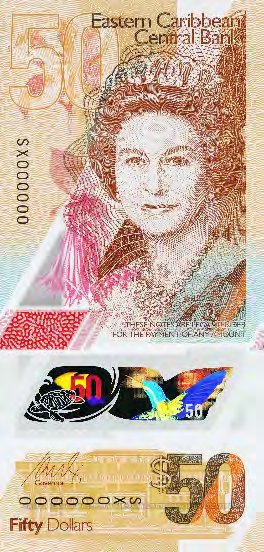
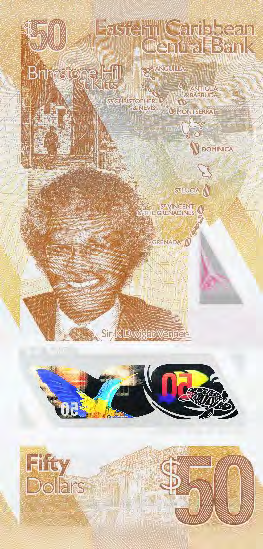
The Tourism Economy and Its Monetary Challenges (1980-2024)
The Tourism Revolution and Its Implications
The transformation of Eastern Caribbean economies from sugar-growing societies into global tourism destinations revolutionised monetary management. Beginning in the 1960s but accelerating after 1980, this transition generated substantial foreign-currency flows requiring constant monetary policy adaptation.
Cruise tourism particularly transformed daily monetary flows. The simultaneous arrival of thousands of visitors paying in US dollars created liquidity peaks followed by quieter periods. The ECCB developed sophisticated instruments to manage these seasonal fluctuations, preserving monetary stability despite volatile revenues.
The emergence of offshore banking further complicated monetary management. Several islands—notably Antigua, Saint Vincent and Dominica—developed international financial centres attracting substantial external capital. This financialisation required stronger supervision to avoid speculative excesses while preserving economic attractiveness.
Specialisation in tourism also revealed small island economies' vulnerability to external shocks. Global economic crises, natural disasters and pandemics immediately affected tourism revenues and tested the monetary system's resilience. The ECCB gradually developed stabilisation mechanisms suited to these specific challenges.
Natural Disasters and Monetary Resilience
Located in "hurricane alley", the Eastern Caribbean regularly faces some of the planet's most destructive natural disasters. These extreme weather events constantly test the monetary system's resilience and require continuous institutional adaptation.
Hurricane Hugo (1989) first revealed the scale of post-disaster challenges. Massive destruction in Montserrat, Saint Kitts and Antigua temporarily paralysed local banking systems. The ECCB then developed its first crisis-management protocols, including emergency liquidity provision and the coordination of financial relief.
Montserrat's volcanic eruption (1995-1997) is a unique case study in world monetary history. The evacuation of two-thirds of the population and destruction of the local economy posed unprecedented challenges: how can a common currency be maintained when one member temporarily loses its economic viability? The ECCB innovated by developing exceptional support mechanisms while preserving the integrity of the overall system.
These traumatic but formative experiences transformed the ECCB into a world reference for post-disaster monetary management. Developed out of necessity, its expertise now inspires other central banks in regions vulnerable to climate change.
| Disaster | Year | Islands Affected | Economic Impact | ECCB Innovation |
|---|---|---|---|---|
| Hurricane Hugo | 1989 | Montserrat, Saint Kitts | -25% GDP | Crisis protocols |
| Soufrière eruption | 1995-1997 | Montserrat | -80% GDP | Emergency support |
| Hurricane Ivan | 2004 | Grenada | -40% GDP | Accelerated reconstruction |
| Hurricane Irma | 2017 | Anguilla, Saint Martin | -30% GDP | Emergency digitalisation |
Modernisation and Contemporary Challenges (2000-2024)
The Digital Era and Monetary Innovation
Timothy Antoine, governor since 2015, is orchestrating the Caribbean monetary union's digital modernisation. Accelerated by the COVID-19 pandemic, this technological transformation is revolutionising everyday use of the XCD and strengthening regional monetary integration.
The DCash project, the world's first deployed central bank digital currency in 2021, places the Eastern Caribbean at the forefront of monetary innovation. Conducted with the expertise of Bitt Inc., this experiment is gradually transforming payment habits and facilitating financial inclusion on the most isolated islands.
Technological innovation is accompanied by regulatory modernisation. The ECCB is developing new frameworks to supervise fintech, cryptocurrencies and new financial players. This proactive adaptation maintains system stability while encouraging local entrepreneurial innovation.
The COVID-19 crisis accelerated this transformation by revealing the importance of contactless payments and digital financial services. The ECCB quickly adapted its instruments to support local economies while maintaining monetary stability, once again demonstrating its ability to adapt to crises.
Geopolitical Challenges and International Pressure
Growing international pressure on Caribbean offshore financial centres is creating new challenges for the monetary union. Anti-money-laundering initiatives, tax transparency and international regulations require constant adaptation of the regional regulatory framework.
The ECCB skilfully navigates between international compliance and the preservation of local economic competitiveness. This sophisticated monetary diplomacy maintains access to international payment systems while preserving member jurisdictions' attractiveness for legitimate investment.
Relations with the United States, the dominant regional power, require particular attention. The fixed exchange-rate system with the US dollar facilitates these relations but also creates a structural dependence requiring careful diplomatic management.
The emergence of new regional players—notably China through the Belt and Road Initiative—is gradually diversifying the Eastern Caribbean's international economic relations. This growing multipolarity offers new opportunities but also complicates monetary management and strategic choices.
Achievements and Prospects of a Successful Union
The Keys to the Monetary Union's Success
The Eastern Caribbean monetary union's lasting success rests on several unique factors. The natural convergence of member economies—all island microeconomies dependent on tourism—facilitates common monetary management. This structural homogeneity contrasts with the difficulties of other monetary unions between heterogeneous economies.
The institutional culture developed since 1965 favours restrained technical management over grand political ambitions. Drawing on the lessons of the West Indies Federation's failure, this pragmatic approach maintains system cohesion despite occasional political tensions between members.
The peg to the US dollar, maintained since 1976, provides exceptional stability in a traditionally volatile region. This self-imposed monetary discipline limits room for manoeuvre but guarantees international credibility and facilitates trade with the dominant North American market.
Finally, the union's small size paradoxically makes it easier to manage. Unlike in large monetary unions, leaders know one another personally, problems can be resolved quickly and institutional adaptations proceed with agility. This human closeness offsets the constraints of small economic size.
Future Challenges and Opportunities
The monetary union's future depends largely on its ability to adapt to global economic transformations. Climate change, an existential challenge for low-lying islands, requires massive adaptation investments that the monetary system must facilitate without compromising stability.
Gradual economic diversification, particularly into digital services and renewable energy, offers new development opportunities. The ECCB supports this transition by developing financial instruments suited to new economic sectors while preserving the traditional tourism specialisation.
Potential expansion to other Caribbean territories remains an open question. Barbados, Trinidad and Tobago or other islands could theoretically join the system, but their larger economies and established monetary traditions complicate that prospect. The ECCB prefers to consolidate the existing union rather than risk diluting it through uncertain enlargements.
Continued technological innovation, particularly in digital currencies and instant payments, positions the monetary union as an experimental laboratory for other central banks. This technical expertise could become a source of revenue and international prestige, offsetting the constraints of small economic size.
The XCD in the Global Monetary System
An Outsized Influence
Despite its modest economic size—around 6,5 billion USD in combined GDP—the Eastern Caribbean monetary union exerts an outsized influence on international monetary debates. Its unique experience of a durable monetary union among microstates attracts economists and policymakers worldwide.
The ECCB's crisis-management expertise, developed out of necessity in response to recurring natural disasters, inspires other central banks in vulnerable regions. This technical recognition transcends economic size and positions the institution as a world reference for monetary resilience.
Cooperation with other monetary unions—notably the West African Economic and Monetary Union (WAEMU) and the Central African Monetary Union (UMAC)—enriches the Caribbean experience while sharing its expertise. These South-South exchanges reveal common challenges and solutions transferable between small monetary unions.
Caribbean technological innovation, particularly DCash, attracts the attention of major central banks worldwide. Born of microeconomies' need to innovate, this technological lead gives the Eastern Caribbean remarkable international visibility.
Lessons Learned and a Model for Others
The XCD's experience offers several valuable lessons for other attempts at monetary integration. The importance of prior economic convergence, the need for strong technical institutions and the value of shared monetary discipline are transferable lessons.
Caribbean institutional pragmatism—prioritising technical efficiency over grand political speeches—contrasts with other monetary integration experiments that are more politicised but less enduring. This "technical-first" approach now inspires other regional monetary union projects.
The Caribbean experience offers original solutions to managing asymmetries between members, a permanent challenge for every monetary union. Equitable representation despite size differences, solidarity in crises and adaptation to local circumstances provide an inspiring model for other unions.
Finally, the capacity for continuous adaptation and innovation demonstrates that a monetary union is a living organism capable of evolving with its environment rather than a fixed structure. This institutional flexibility may be the main key to the Caribbean experiment's lasting success.
Conclusion: A Model of Successful Monetary Cooperation
The history of the Eastern Caribbean dollar, from its birth in 1965 to contemporary innovations, illustrates small nations' ability to overcome size constraints through intelligent cooperation. This exceptional success demonstrates that a monetary union can thrive when founded on strong institutions and a shared vision of development.
The XCD's lasting success rests on distinctive Caribbean qualities: institutional pragmatism, resilience in adversity, innovation born of necessity and authentic regional solidarity. Forged through shared historical experience, these strengths continue to characterise the monetary union's contemporary management.
Today, the Eastern Caribbean monetary union faces the challenges of the 21st century with the confidence of almost sixty years of successful cooperation. Its historical adaptability, recognised technical expertise and role as a monetary innovation laboratory position it favourably to remain relevant in a rapidly changing world.
This unique experience proves that size is not everything in monetary affairs: institutional quality, a shared vision and adaptability can turn microeconomies into influential players in the international monetary system. The Eastern Caribbean dollar thus remains an inspiring model for everyone who believes in international cooperation as a response to the challenges of globalisation.
This article draws on the editorial collection supplied in 2025. Figures and descriptions should be read in their original context. About the content