The banknotes in pictures
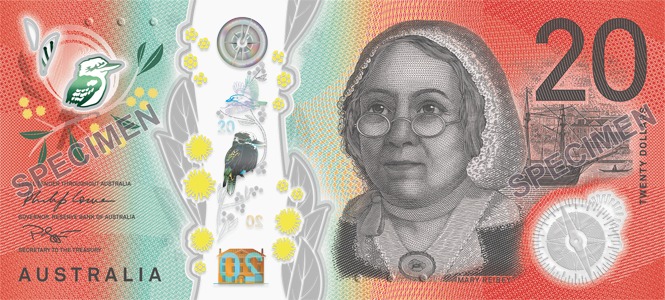
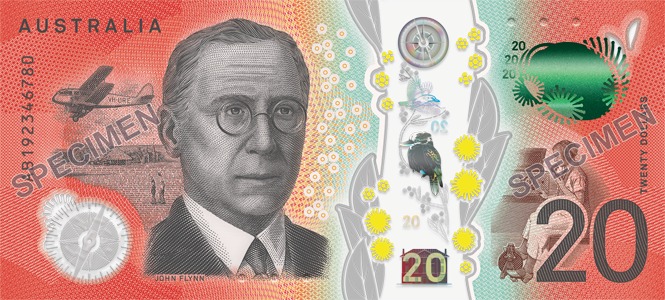
Tuvalu uses Australian dollar banknotes, so the reproductions below carry the AUD code.
Oceanian Roots: A Thousand Years of Atoll Civilisation (900-1819)
The First Navigators and Atoll Economies
Tuvalu's economic history began around the year 900 with the arrival of the first Polynesian navigators, who discovered and settled these strikingly beautiful but extremely fragile coral atolls. These Oceanian pioneers developed remarkably sophisticated survival techniques and economic systems, perfectly adapted to the unique constraints of life on coral islets never rising above 4,5 metres.
Tuvalu's traditional economy relied on complete mastery of the atoll's limited resources: coconut palms for food and crafts, pandanus for building and textiles, lagoon and offshore fishing for protein, and meticulous rainwater collection for survival. This subsistence economy achieved a remarkable ecological balance that endured for almost a millennium.
Inter-atoll exchange systems developed sophisticated trading networks despite immense ocean distances. Large traditional sailing vessels (vaka) carried shells, woven mats, coral tools and coconut products over hundreds of kilometres, creating lasting economic links between isolated communities.
Traditional Tuvaluan society developed remarkable communal economic institutions: collective resource ownership, egalitarian redistribution systems and mechanisms of solidarity between families that guaranteed collective survival amid climatic and oceanic hazards. These socioeconomic structures still profoundly influence today's economy.
Protective Isolation and Cultural Preservation
Tuvalu's extreme geographical isolation—more than 1000 km from the nearest inhabited island—paradoxically protected these societies from the colonial upheavals that transformed the rest of the Pacific at an early stage. This geographical marginality maintained cultural and economic autonomy until the 19th century, a phenomenon unique in the region.
This period saw the refinement of extraordinarily precise celestial navigation techniques, enabling Tuvaluans to maintain regular contact with Samoa, Tonga and Fiji more than 1000 kilometres away. These exceptional maritime skills formed the basis of the future Tuvaluan diaspora.
The absence of precious metals, extensive fertile land or commercially exploitable resources discouraged early colonial exploitation attempts. This apparent "poverty" ironically provided protection, preserving local autonomy longer than in other Pacific archipelagos.
The first European observations (Spanish navigator Álvaro de Mendaña in 1568, then British captain Arent Schuyler de Peyster in 1819) described prosperous, well-organised atoll societies, demonstrating the remarkable success of Polynesian adaptation to extreme coral-island constraints.
1568 : First European sighting (Mendaña)
1819 : Official "rediscovery" (De Peyster)
1892 : British protectorate (Ellice Islands)
1978 : Independence
1976 : Creation of the Tuvaluan dollar
The Colonial Era and Forced Transformation (1819-1975)
Slave Traders and Demographic Trauma
The European "discovery" of Tuvalu tragically coincided with the expansion of the Oceanian slave trade ("blackbirding"), which dramatically transformed these isolated microsocieties' population and economy. Between 1850 and 1880, more than 400 Tuvaluans—almost half the total population—were kidnapped to work on plantations in Queensland and Fiji.
This catastrophic demographic loss temporarily destroyed the traditional economic balance and threatened the very survival of several atolls. Surviving communities developed remarkable reconstruction strategies, redistributing people and resources to maintain each inhabited atoll's viability.
Paradoxically, this tragedy generated the first significant monetary revenues when repatriated survivors brought back wages and savings accumulated on the plantations. This external capital financed the first purchases of Western goods: metal tools, fabrics and fishing equipment that gradually modernised the traditional economy.
The traumatic experience of blackbirding developed lasting distrust of outside economic exploitation and strengthened community cohesion. These defensive instincts still influence Tuvalu's approach to foreign investment and economic development today.
The British Protectorate and a Monetised Subsistence Economy
The establishment of the British Gilbert and Ellice Islands protectorate in 1892 gradually integrated Tuvalu into the western Pacific's colonial economy. This administrative integration brought the gradual introduction of sterling and the first systematic monetary exchanges in previously non-monetary societies.
Tuvalu's colonial economy remained largely a subsistence economy supplemented by limited export activities: copra (dried coconut), ornamental shells and handicrafts for markets in the Gilbert Islands and Fiji. These modest revenues financed the first modern infrastructure: clinics, schools and communications facilities.
Aware of these atolls' extreme lack of natural resources, the British colonial administration adopted a minimalist approach favouring local self-government and preservation of traditional social structures. This policy of "benign neglect" paradoxically preserved Tuvaluan cultural autonomy.
This period saw the first organised economic migrations to Pacific urban centres (Suva in Fiji and Tarawa in the Gilbert Islands), where Tuvaluans, known for their maritime skills and reliability, found work in commercial shipping and port services.
The Second World War: An Accidental Economic Revolution (1941-1945)
Funafuti: A Strategic Allied Base
The Second World War abruptly and permanently transformed Tuvalu's economy when Funafuti atoll became a major strategic airbase for Allied forces in the Pacific. This sudden militarisation exposed the isolated traditional society to the realities of the modern industrial economy and generated the first significant monetary revenues in national history.
Construction of the airfield and military facilities mobilised the entire male working population in jobs paid according to American and New Zealand military standards. Substantial compared with traditional incomes, these wages created Tuvalu's first economic boom and financed improvements to housing and domestic equipment.
Exposure to modern technologies—electricity generation, radio telecommunications, Western medicine and air transport—revolutionised local aspirations and economic reference points. This "cognitive revolution" conceptually prepared future post-independence economic transformations.
The military base also developed the first modern technical skills: mechanics, electrical work, construction and services that formed the human capital needed for future economic development. Provided by Allied military personnel, this technical training created the first generation of skilled Tuvaluan technicians.
Towards Independence: The Emergence of an Economic Vision (1945-1978)
Reconstruction and the First Development Strategies
The post-war period confronted Tuvalu with an unprecedented challenge: maintaining living standards improved by the war economy amid renewed geographical isolation and natural-resource poverty. This transition required the invention of creative economic strategies adapted to the extreme constraints of very small islands.
Colonial authorities and Tuvaluan leaders jointly developed a pioneering approach to island economic development based on maximising human resources through organised temporary emigration. This strategy turned the diaspora into the principal economic engine through remittances to the home atolls.
This period saw the birth of the first modern economic institutions: consumer cooperatives, community savings funds and money-transfer services facilitating management of diaspora revenues. These institutional innovations prepared the infrastructure needed for future monetary autonomy.
The expansion of formal education, jointly financed by diaspora income and colonial aid, gradually created the administrative and technical skills needed to manage a modern state autonomously, preparing economic independence both conceptually and practically.
Separation from the Gilbert Islands and Economic Identity
The movement towards separation from the Gilbert Islands (the future Kiribati) in the 1960s-70s was largely rooted in differing economic approaches and development visions. A minority within the shared colony, Tuvaluans feared Gilbertese economic domination and asserted the right to define their own development strategy.
This demand for autonomy rested on an acute awareness of Tuvalu's specific economic circumstances: an extremely small territory, cultural homogeneity and critical dependence on external resources, requiring tailored economic policies impossible within a larger, heterogeneous political entity.
Preparations for independence brought extensive debate on future monetary identity. The choice to maintain close monetary ties with Australia reflected realistic awareness of economic constraints, while the creation of a distinct currency symbolically asserted sovereignty.
This period saw the first economic diversification projects emerge: developing export crafts, exploring tourism possibilities and considering sustainable use of fisheries resources in the future exclusive economic zone.
| Indicator | 1960 | 1970 | 1978 | Change |
|---|---|---|---|---|
| Total population | 5 800 | 7 300 | 8 200 | +41% |
| Diaspora (estimate) | 1 200 | 2 800 | 4 500 | ×3,75 |
| GDP per capita (USD) | 95 | 220 | 580 | ×6,1 |
| Diaspora remittances (% of GDP) | 15% | 35% | 45% | ×3 |
The Birth of the Tuvaluan Dollar: Sovereignty and Realism (1976-1990)
Currency Creation and Independence
The creation of the Tuvaluan dollar on 1 January 1976, two years before political independence, marked the culmination of sophisticated thinking about a microstate's monetary identity. This revolutionary decision established perfect parity with the Australian dollar (1 TVD = 1 AUD) while creating a national currency symbolising sovereignty within real economic constraints.
This globally unique monetary innovation—a sovereign currency at permanent fixed parity with a foreign currency—reflected the exceptional political maturity of Tuvaluan leaders in reconciling national ambitions and economic realism. This creative synthesis later inspired other microstates facing the same challenges.
Established simultaneously with Australian technical assistance, the National Bank of Tuvalu adopted a limited but crucial mandate: issuing the national currency, managing foreign-exchange reserves and facilitating diaspora remittances. This minimalist but effective approach avoided the excessive costs of a conventional central bank.
The first Tuvaluan banknotes, of remarkable artistic beauty, celebrated authentic Oceanian identity: endemic marine wildlife, traditional dances and atoll landscapes. This carefully chosen imagery asserted cultural pride while projecting a modern image attractive to international collectors.
The First Decades: Consolidation and Innovation
The 1980s saw Tuvalu's post-independence economy gradually consolidate around three main pillars: diaspora remittances, exclusive-economic-zone revenues (fishing licences) and international development aid. This atypical but stable economic structure supported steady growth in living standards.
Commercial use of the exclusive economic zone (900 000 km²) transformed this ocean resource into a significant revenue source. Tuna fishing licences, sold mainly to Japanese, Korean and Taiwanese fleets, generated growing government revenues that financed public services and infrastructure.
This period saw the first economic innovations adapted to island constraints: export crafts (mats, shell jewellery and carvings), limited promotion of cultural tourism and experiments in lagoon aquaculture. These activities modestly diversified the economy while preserving its fragile environment.
Prudent management of public finances, guided by Australian advisers and the Bretton Woods institutions, gradually established a reputation for fiscal discipline that facilitated access to international aid and concessional financing for development projects.
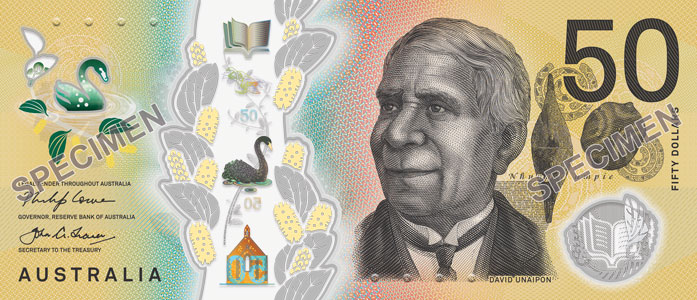
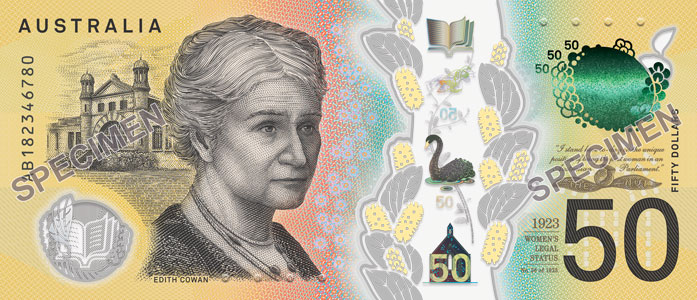
A closer look at the banknotes
The Digital Revolution: From ".tv" to Economic Miracle (1990-2010)
The Discovery of Digital Gold
The fortunate allocation of the ".tv" internet domain to Tuvalu in 1996 spectacularly and permanently transformed this microstate's economy through one of modern economic history's most extraordinary strokes of luck. This alphabetical coincidence—the initials of "TeleVision" corresponding to the country code for "TuValu"—generated a revolutionary digital revenue stream.
The signing of the commercialisation contract with VeriSign in 2000 for 50 million USD over 12 years represented the equivalent of several decades of traditional GDP. This unexpected windfall immediately financed United Nations membership (2000), complete infrastructure modernisation and the establishment of a sovereign development fund.
This economic revolution enabled Tuvalu to finance complete electrification (solar energy), telecommunications modernisation (satellite broadband internet) and spectacular improvements in public services (health and education) without external borrowing. This accelerated transformation propelled Tuvalu among island development's success stories.
The expertise acquired in managing this digital resource positioned Tuvalu as a pioneer of the Oceanian digital economy and inspired other microstates to use their intangible assets (country codes, cultural resources and geographical positioning) to generate innovative revenues.
Accelerated Social and Economic Transformation
The sudden influx of digital capital radically transformed Tuvaluan society within a few years. Massive public investment in education (international scholarships), health (modern medical equipment) and infrastructure (airport, port and telecommunications) dramatically raised the level of human development.
This new prosperity attracted unprecedented private investment: modest but high-quality hotel development, sophisticated financial services and sustainable-development consultancy activities that diversified the economy beyond traditional revenue sources.
The Tuvaluan diaspora also benefited from this transformation through improved consular services, programmes maintaining cultural ties and opportunities for temporary or permanent return financed by the nation's new prosperity.
This period saw a new generation of Tuvaluan entrepreneurs emerge, educated at leading universities worldwide through scholarships financed by digital revenues. This technical elite gradually modernised public administration and developed innovative economic projects suited to the challenges of the 21st century.
Existential Challenges: Climate, Survival and Innovation (2000-2024)
Climate Change: Existential Threat and Catalyst for Innovation
The emergence of climate change as a direct existential threat fundamentally transformed Tuvalu's economic perspective. With a maximum elevation of 4,5 metres, these coral atolls are among the world's territories most vulnerable to rising sea levels, requiring revolutionary economic adaptation strategies.
This climate emergency catalyses remarkable innovations: Tuvalu is becoming a global laboratory for island adaptation technologies, attracting international funding, technical expertise and research partnerships that create a new climate-adaptation economy generating skilled jobs and diversified revenues.
Investment in renewable energy—photovoltaic solar, wind and battery storage—is turning Tuvalu into a global showcase for island energy transition. This exportable technical expertise positions the country as a specialist adviser to other small island developing states.
Climate diplomacy is also becoming a revenue source through participation in international financial mechanisms: the Green Climate Fund, carbon offsets and climate-research partnerships that diversify funding sources while strengthening international visibility.
The Blue Economy and Maritime Sovereignty
Sustainable use of the exclusive economic zone is becoming a major strategic priority amid climate challenges. Tuvalu is developing a pioneering blue-economy approach combining marine conservation, sustainable fisheries-resource use and ocean ecosystem services.
International marine-conservation partnerships generate growing revenues through payment mechanisms for environmental services. This monetisation of conservation turns environmental protection into a sustainable economic asset, offering an inspiring model for other island nations.
Modern aquaculture and sustainable marine-resource use are developing an export supply chain for high-end markets. Certified sustainable, Tuvaluan seafood finds premium outlets in Japanese, Australian and American markets, creating an economic niche that values small scale and authenticity.
This maritime strategy brings the development of advanced technical skills in oceanography, marine biology and resource management, positioning Tuvalu as a regional centre of expertise. These exportable skills generate consultancy and training revenues from other Pacific nations.
The Tuvaluan Dollar in the Contemporary Economy
A Unique Economic Structure and Monetary Performance
Contemporary Tuvalu's economy has a structure unique in the world, combining traditional sources (diaspora and fishing), digital revenue (.tv domain) and climate innovations (green funds and adaptation) into an economic whole of surprising resilience despite the national territory's extremely small size.
GDP per capita, estimated at 4 800 USD in 2024, paradoxically places Tuvalu among upper-middle-income countries, a remarkable performance for a microstate without conventional natural resources. This relative prosperity rests on maximising all available assets, tangible and intangible.
Perfect parity with the Australian dollar, maintained since 1976, demonstrates this microstate's exceptional economic credibility. Unique among very small island economies, this monetary stability facilitates international trade and preserves the population's purchasing power.
Characterised by exemplary prudence and complete transparency, the management of Tuvalu's public finances establishes remarkable economic governance standards. This reputation for discipline facilitates access to international concessional financing and development partnerships.
| Revenue Source | 2000 | 2010 | 2024 | % GDP 2024 |
|---|---|---|---|---|
| .tv domain | 0% | 35% | 25% | 15M USD |
| Fishing licences | 45% | 30% | 28% | 17M USD |
| Diaspora remittances | 30% | 20% | 22% | 13M USD |
| Climate funds | 0% | 5% | 15% | 9M USD |
| Other services | 25% | 10% | 10% | 6M USD |
Monetary Innovation and Financial Services
Tuvalu is actively exploring contemporary monetary innovations: central bank digital currency, mobile payment systems and integration with regional financial platforms. These technologies promise to revolutionise financial inclusion in this highly connected but geographically dispersed territory.
The development of specialised financial services for the Oceanian diaspora is turning Tuvalu into a regional money-transfer hub. This niche specialisation generates service revenues while strengthening economic links between island communities scattered across the Pacific.
Fintech partnerships with Australia and New Zealand enable sophisticated banking services despite the tiny domestic market. This regional sharing of technology offers a model for other island microeconomies.
The issuance of collector coins and banknotes, drawing on Tuvalu's growing international profile, generates significant numismatic revenues. Giving value to this unique monetary identity turns small size into a commercial advantage in collectors' markets.
Survival and Adaptation Strategies
Economic Diplomacy and Soft Power
Tuvalu is developing sophisticated economic diplomacy based on its unique status as the smallest UN member state facing existential climate challenges. This exceptional moral position generates international influence disproportionate to its size, which can translate into privileged economic partnerships.
Its international communication strategy turns climate vulnerability into a diplomatic asset. Tuvalu becomes the moral spokesperson for small island states, a position rewarded through climate financing, research partnerships and international media visibility that creates economic value.
South-South partnerships with other small island states create innovative economic synergies: sharing diplomatic-representation costs, technical cooperation and developing niche markets using island authenticity for specialised products and services.
This economic diplomacy rests on the excellence of Tuvaluan governance and the complete transparency of public institutions, establishing a valuable reputation for reliability in attracting ethical investment and sustainable partnerships.
Cultural Preservation and an Identity-Based Economy
Preserving Tuvalu's cultural heritage is becoming a strategic economic priority in the face of cultural assimilation and physical disappearance. Giving value to identity generates tourism, artistic and educational revenues while strengthening national social cohesion.
The development of Tuvalu's cultural industry—music, dance, traditional crafts and oral literature—is finding international outlets through digital technologies. This creative economy values cultural authenticity while creating skilled jobs for young people.
Digital cultural-heritage preservation programmes, financed by international organisations, are turning Tuvalu into a laboratory for digital cultural preservation. This exportable technical expertise positions the country as a global reference for digital cultural archiving.
This cultural strategy rests on bilingual education (Tuvaluan-English) and training in new technologies, preparing younger generations to navigate between tradition and modernity, preservation and innovation, local and global.
Future Prospects: Innovations and Challenges (2025-2050)
Emerging Technologies and Radical Adaptation
Tuvalu is exploring revolutionary climate-adaptation technologies: artificial floating islands, artificial coral reefs and innovative coastal-protection systems that turn the need to adapt into an opportunity for technological innovation exportable to other threatened territories.
The development of an emerging space economy offers unexpected opportunities: satellite-launch services from the oceanic equator, space communications stations and space tourism adapted to island constraints. These futuristic sectors draw on Tuvalu's unique geographical position.
Artificial intelligence and the data economy turn the challenges of small size into advantages: Tuvalu can serve as a laboratory for testing technological innovations, developing experimental economic models and creating solutions suited to extreme constraints that can be transferred to other contexts.
These innovations bring massive investment in technical and scientific education, financed by digital and climate revenues, preparing future generations to master the technologies needed for survival and prosperity after climate transformation.
Post-Territorial Economic Models
Facing the threat of declining habitability, Tuvalu is pioneering "post-territorial" economic models: relocated digital services, an organised diaspora economy and the economic use of cultural identity independently of a physical territorial base.
This post-territorial economy relies on blockchain and digital currencies to maintain economic ties and national identity even if the population becomes geographically dispersed. These technical innovations prepare scenarios of extreme adaptation to climate change.
The development of the "virtual state"—digital public services, digital citizenship and digital cultural preservation—turns Tuvalu into an institutional innovation laboratory for the era after climate transformation. These experiments inspire other nations facing similar existential challenges.
This futuristic vision is rooted in traditional Tuvaluan communal values: solidarity, sustainability and creative adaptation to environmental constraints, proving their contemporary relevance in meeting the challenges of the 21st century.
Conclusion: The Dollar of Courage before the Boundless Ocean
The history of the Tuvaluan dollar, from its creation in 1976 to its contemporary role as a currency of climate adaptation, strikingly illustrates how innovation, courage and solidarity can turn the most extreme constraints into opportunities for creative development. The world's smallest currency by the size of the economy it serves, it carries the ambitions and hopes of an Oceanian people confronting our era's most dramatic existential challenges.
Tuvalu's economic journey offers universal lessons about resilience, adaptation and innovation in the face of radical change. From the perfectly sustainable traditional atoll economy to post-territorial climate-adaptation strategies, through the digital miracle of the .tv domain, this experience demonstrates that human ingenuity can overcome seemingly insurmountable constraints.
Today, the Tuvaluan dollar symbolises far more than a national currency: it embodies a micronation's determination to preserve its sovereignty, identity and dignity against the titanic forces of climate change and economic globalisation. This currency carries the hope that small size can be a strength, vulnerability can generate innovation and cultural authenticity can create lasting economic value.
In a world facing climate challenges, growing inequalities and technological disruption, Tuvalu's experience offers an alternative development model based on sustainability, inclusion and responsible innovation. This lesson from an atoll lost in the immensity of the Pacific resonates far beyond the micronation's borders and inspires everyone seeking new paths towards a more equitable and sustainable future.
The Tuvaluan dollar, a currency of hope in the face of climatic adversity, will continue to accompany this exceptional Oceanian people in its search for creative survival and shared prosperity, demonstrating that even the smallest nations can make essential contributions to humanity when they draw on their deepest values and capacity for collective innovation.
This article draws on the editorial collection supplied in 2025. Figures and descriptions should be read in their original context. About the content