The banknotes in pictures
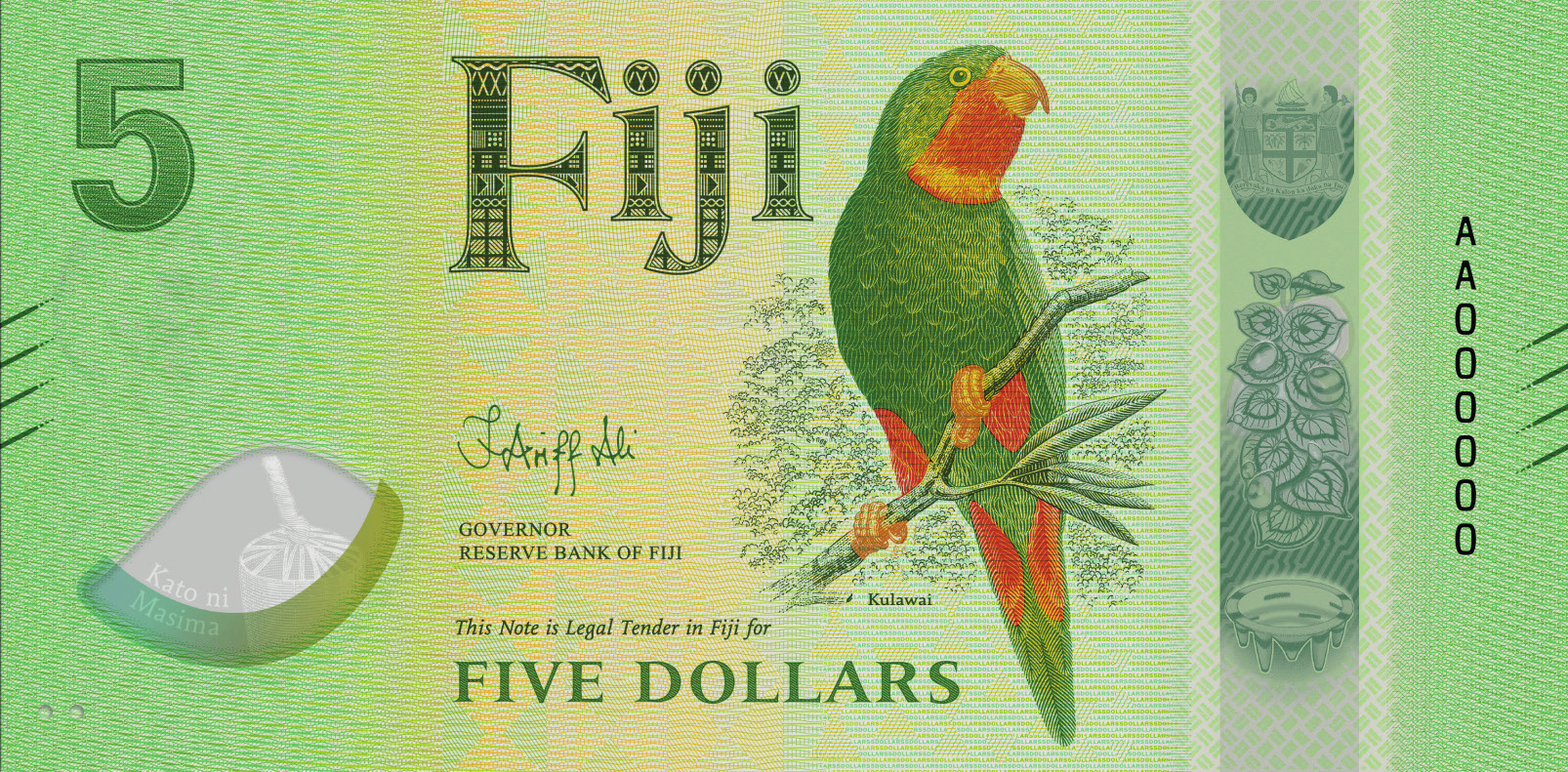

Melanesian Foundations and the Colonial Encounter (3500 BC - 1874)
The Lapita Legacy and Traditional Exchange Systems
Fiji's monetary history begins with the arrival of the Lapita peoples around 1500 BC, bearers of a sophisticated culture that developed complex exchange networks across the Pacific. These exceptional navigators established barter systems based on valuable goods: sperm whale teeth (tabua), woven mats, decorated pottery and obsidian tools.
The tabua, a polished and pierced sperm whale tooth, emerged as the central element of traditional Fijian exchange. This cultural "currency", far more than a simple means of payment, structured social relations, political alliances and religious ceremonies. Its value transcended economics to become a foundation of authentic Fijian culture.
Pre-colonial Fijian societies developed a complex hierarchy of chiefdoms (matanitu) that controlled inter-island exchange networks. These sophisticated political and economic systems reveal an advanced social organisation capable of managing complex exchanges without European metallic currency.
This traditional economy had a lasting influence on subsequent monetary development. The concept of "kerekere" (an obligation of mutual community assistance) still structures Fijian economic relations today and sometimes complicates the adoption of modern Western financial practices.
The Arrival of Europeans and Growing Economic Complexity
The first European contacts (Abel Tasman in 1643, then James Cook in 1774) had only a marginal influence on the Fijian economy until the early 19th century. Geographical isolation temporarily protected traditional economic systems from the abrupt colonial transformation seen elsewhere in the Pacific.
The settlement of the first European merchants around 1800 gradually introduced Spanish coins, Mexican dollars and various Western currencies. This monetary diversity coexisted with traditional systems, creating a remarkably complex hybrid economy adapted to local realities.
The "beachcombers" (European castaways integrated into local societies) played a crucial role in this reciprocal economic acculturation. They facilitated trade while preserving certain traditional practices, creating cultural synergies unique in the Pacific.
The emergence of Levuka as the main trading port (1820-1870) accelerated this integration into the world economy. This cosmopolitan town attracted merchants, adventurers and missionaries, gradually transforming traditional economic structures while preserving Fijian political autonomy.
Cession to Britain and Colonial Integration (1874-1970)
The voluntary cession of Fiji to the British Empire on 10 October 1874, negotiated by King Cakobau, marked its definitive entry into the modern monetary economy. This integration, unique in the Pacific because it was negotiated rather than imposed, preserved certain cultural characteristics while introducing British standards.
Sir Arthur Gordon, the first colonial governor, developed a protective policy towards indigenous people that preserved collective Fijian land ownership while introducing the plantation economy. This original synthesis had a lasting influence on the archipelago's economic and monetary development.
The large-scale arrival of Indian indentured workers (1879-1916) revolutionised Fijian demographics and the economy. These 60,000 immigrants brought agricultural expertise, commercial practices and informal financial systems that enriched local economic diversity.
This period saw the birth of the modern sugar industry, which dominated the Fijian economy until the 1980s. Sugar revenues, paid in pounds sterling, firmly integrated Fiji into the British monetary system while laying the foundations for future national prosperity.
1643 : First European visit (Tasman)
1874 : Voluntary cession to the British Empire
1879-1916 : Large-scale Indian immigration
1970 : Independence
1969 : Adoption of the Fijian dollar
Independence and the Creation of the Fijian Dollar (1960-1987)
The Movement towards Independence and Ratu Sir Kamisese Mara
Fiji's independence movement emerged in the 1960s under the charismatic leadership of Ratu Sir Kamisese Mara, a traditional chief who became a modern statesman. His vision combined respect for Fijian traditions, integration of the Indo-Fijian community and the economic modernisation necessary for independence.
This transition to independence was accompanied by complex debates about the future monetary identity. Tensions between ethnic communities — indigenous Fijians (57%) and Indo-Fijians (38%) — complicated economic and monetary choices, requiring subtle compromises to preserve national unity.
The creation of the Fijian dollar on 15 January 1969, a year before political independence, demonstrated the priority given to monetary emancipation. This sequence — currency before independence — revealed the symbolic importance of monetary sovereignty in building Fijian national identity.
Ratu Mara, who became prime minister, developed a balanced economic policy aimed at preserving sugar prosperity while diversifying the economy into tourism and services. This strategy directly influenced the first independent monetary policy choices.
The Architecture of the New Monetary System
The Reserve Bank of Fiji, established in 1984 but prepared for from independence, developed monetary expertise suited to the characteristics of a small island state. Savenaca Narube, the first indigenous governor (2001-2010), embodied this growing technical competence within Fijian institutions.
The Fijian dollar was initially established at parity with the Australian dollar, a choice revealing a geopolitical orientation that favoured Australia over Britain. This decision anticipated the South Pacific's geoeconomic shift towards integration with the Australian and New Zealand economies.
The first Fijian banknotes celebrated national cultural diversity: traditional architecture, endemic wildlife and prominent figures representing the different communities. This inclusive imagery aimed to strengthen national unity around the new common currency.
This period also saw the development of the modern tourism industry, which revolutionised the Fijian economy. Tourism revenues, mainly in hard currencies, strengthened foreign exchange reserves and facilitated management of the new independent currency.
The Era of Turbulence: Coups and Instability (1987-2014)
The Coups of 1987 and Their Economic Consequences
Lieutenant Colonel Sitiveni Rabuka's coups in May and September 1987 triggered the most serious political and economic crisis in modern Fijian history. These events, driven by interethnic tensions and fears of Indo-Fijian domination, devastated the tourism economy and generated massive capital flight.
The collapse in tourism — a 75% drop in visitors — deprived the economy of its main source of foreign currency and destabilised the Fijian dollar. This crisis exposed the vulnerability of an island economy dependent on its international image of stability and safety.
The mass emigration of skilled Indo-Fijians — more than 100,000 departures between 1987 and 2000 — deprived the country of essential expertise in education, healthcare and financial services. This loss of people durably weakened the productive foundations of the Fijian economy.
Paradoxically, these crises accelerated certain structural reforms. Forced economic diversification into export agriculture, light industry and regional services created new sectors less vulnerable to tourism shocks.
Recurring Political Instability (2000-2014)
George Speight's coup in 2000, followed by Frank Bainimarama's in 2006, perpetuated the chronic political instability that characterises contemporary Fiji. This recurrence revealed the failure of Fijian elites to build a lasting consensus on interethnic power-sharing.
Each political crisis generated major economic consequences: suspension of international aid, diplomatic sanctions and damage to the country's tourism image. These cycles regularly destabilised the Fijian dollar and complicated long-term economic planning.
Savenaca Narube, central bank governor during this turbulent period, developed unique expertise in monetary crisis management. His innovations — flexible exchange controls, transparent communication and monetary diplomacy — limited the economic damage caused by political turbulence.
The gradual emergence of the digital economy and regional financial services diversified the economy beyond traditional sectors vulnerable to political crises. This economic modernisation created new resilience in the face of chronic instability.
| Political Crisis | Year | Tourism Impact | FJD Devaluation | Recovery Time |
|---|---|---|---|---|
| Rabuka coups | 1987 | -75% visitors | -30% | 5 years |
| Speight coup | 2000 | -40% visitors | -15% | 3 years |
| Bainimarama coup | 2006 | -25% visitors | -10% | 2 years |
Monetary Innovations in the Face of Adversity
Chronic political instability forced Fiji's monetary authorities to develop sophisticated crisis management instruments. These innovations — a flexible exchange rate system, precautionary reserves and diversification of international banking relationships — inspire other small island economies.
The strategy of "economic survival" developed over these decades prioritised resilience over maximum growth. This prudent approach, while limiting economic performance, preserved fundamental monetary stability despite recurring political turbulence.
Expertise acquired in crisis communication and economic diplomacy allowed Fiji to maintain constructive relations with international financial institutions despite diplomatic isolation. This technical competence transcended political considerations.
This period also saw the emergence of a mature economic civil society, less dependent on political cycles. Entrepreneurs, trade unionists and professional organisations developed cooperation networks that stabilised the real economy beyond institutional turbulence.
A closer look at the banknotes
Stabilisation under Bainimarama and Modernisation (2014-2024)
Frank Bainimarama and the "Fiji First" Strategy
Frank Bainimarama's democratic election in 2014, after eight years of military rule, marked a decisive turning point towards institutional stabilisation. His "Fiji First" party developed an inclusive vision that transcended traditional ethnic divisions, creating a more favourable environment for economic development and monetary stability.
This political stabilisation was accompanied by a return of international confidence: sanctions were lifted, development aid resumed and diplomatic relations normalised. These developments facilitated monetary management and stimulated foreign investment in the Fijian economy.
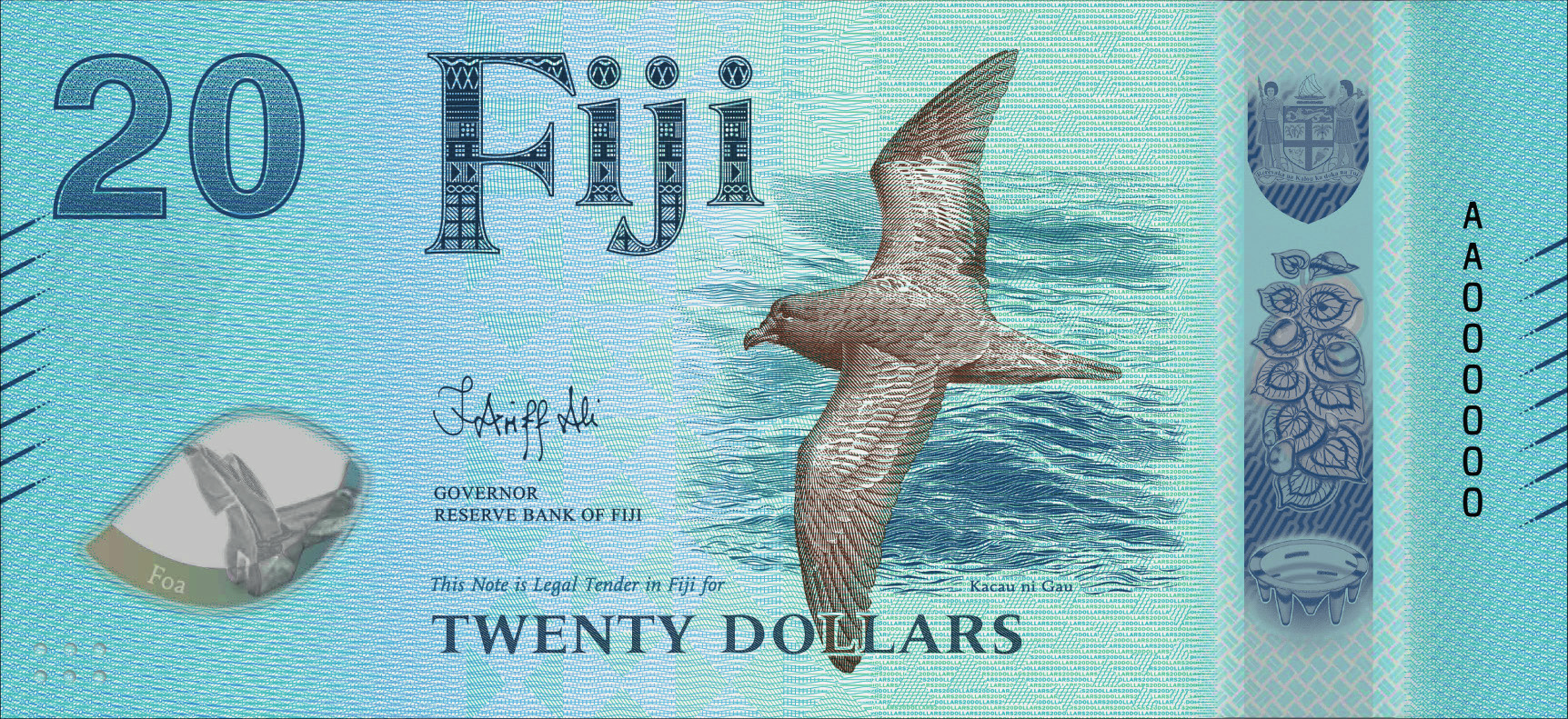
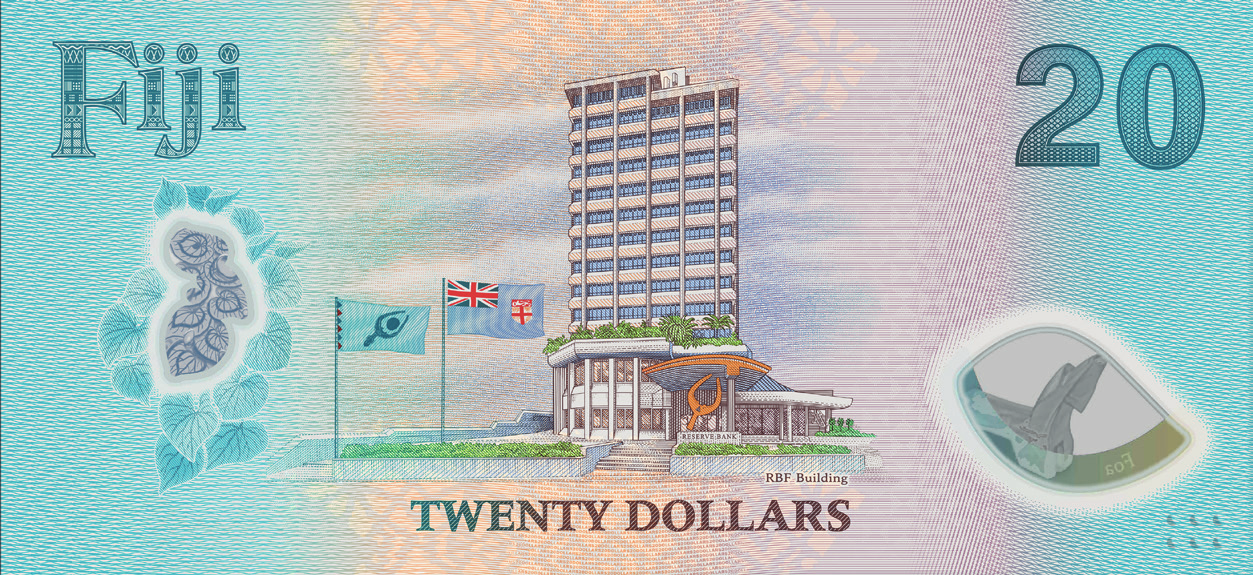
Ariff Ali, Reserve Bank governor (2016-present), modernises the institution and develops monetary policy suited to contemporary challenges. His expertise in Islamic finance and monetary innovation places Fiji at the forefront of banking developments in the South Pacific.
The "20-Year Development Plan" economic strategy aims to transform Fiji into a high-income economy by 2036. This ambition requires deep structural reforms supported by accommodative but prudent monetary policy.
Technological Innovation and Financial Modernisation
Fiji is emerging as a South Pacific technology hub thanks to massive investment in digital infrastructure. The Southern Cross submarine cable, connecting the archipelago to Australia and New Zealand, is revolutionising communications and facilitating the development of the digital economy.
This technological modernisation is transforming Fiji's banking sector. Mobile banking services, digital payments and local fintech companies are modernising access to financial services in a dispersed archipelago where 40% of the population still lives in isolated rural areas.
The emergence of Suva as a regional service centre attracts international organisations and multinational companies. This specialisation in Pacific administrative and financial services generates foreign currency revenue, diversifying the economy beyond traditional tourism.
Partnerships with Australian and New Zealand universities develop the local human capital needed for this economic transformation. This higher education strategy supports the emergence of a skilled middle class capable of driving future development.
Contemporary Challenges and Future Prospects
Climate Change and the Blue Economy
Fiji emerged as a global leader in climate diplomacy under Bainimarama's presidency of COP23 (2017). This diplomatic expertise attracts international green financing and positions the archipelago as a laboratory for climate adaptation in the Pacific.
The development of the blue economy — sustainable aquaculture, responsible fishing and marine energy — diversifies the economy while adapting to the realities of climate change. This proactive adaptation strategy attracts international investors and technical partners.
Innovation in green finance positions Fiji as a hub for Pacific climate financing. Sovereign green bonds, adaptive financing mechanisms and green public-private partnerships are transforming the national financial landscape.
This climate specialisation also influences monetary policy. The Reserve Bank is gradually incorporating climate risks into banking supervision and exploring the impact of climate change on long-term monetary stability.
Regional Integration and Pacific Geopolitics
China's rise in the Pacific is transforming Fiji's geopolitical environment. Massive Chinese investments — in infrastructure, telecommunications and education — diversify economic partnerships traditionally dominated by Australia and New Zealand.
This new geopolitical landscape offers opportunities and challenges for the Fijian dollar. Access to Chinese financing facilitates economic development but creates new dependencies requiring sophisticated monetary management of exchange rate and funding risks.
China's "Belt and Road" initiative is transforming Fijian infrastructure but raises questions about debt sustainability and future monetary independence. This issue influences contemporary debates over national economic and monetary policy.
Meanwhile, the PACER Plus agreement with Australia and New Zealand deepens integration with traditional partners. This dual integration — with China and with Australia and New Zealand — requires balanced economic diplomacy that preserves monetary autonomy.
Conclusion: Resilience and Adaptation in the Pacific
The history of the Fijian dollar, from its birth in 1969 to contemporary challenges, illustrates the ability of a multicultural island nation to maintain a relatively stable currency despite chronic political instability. This unique trajectory reveals the importance of competent technical institutions and economic resilience in the face of political turbulence.
The FJD's survival through four coups and multiple political crises demonstrates the solidity of Fiji's economic foundations and the expertise of its monetary institutions. This remarkable resilience inspires other small island nations facing similar challenges of political and economic stability.
Fiji's emergence as the diplomatic and economic hub of the South Pacific, despite internal turbulence, reveals the nation's enduring strengths: a strategic geographical position, embraced cultural diversity and an ability to adapt to global transformations.
Today, the Fijian dollar faces the challenges of the 21st century — climate change, digital transformation and geopolitical evolution — with experience forged through decades of overcoming adversity. This historical resilience, combined with a modern vision of sustainable development and regional integration, positions Fiji favourably to maintain its currency's stability while fulfilling its ambitions for shared prosperity at the strategic crossroads of the South Pacific.
This article draws on the editorial collection supplied in 2025. Figures and descriptions should be read in their original context. About the content